.avif)




Planning a Vietnam tour? One of the first questions you'll probably ask is what to pack. This Vietnam packing list will help first time travelers prepare for Vietnam's different climates and travel styles.
Vietnam stretches more than 1,000 miles from north to south, so the weather can vary dramatically depending on where you're traveling. During my April trip through Hanoi, Da Nang, Hoi An, and the northern mountains, I quickly realized the best way to pack for Vietnam is to pack as if you're visiting three different countries.
Whether you're backpacking, traveling solo, or joining one of our Under30Experiences Vietnam Tours, this guide covers what to pack, what to wear, and the essentials you'll actually use.
If you're still planning your itinerary, check out our Best Places to Visit in Vietnam guide. You can also explore our Under30Experiences Vietnam Trip to see the destinations you'll experience and start planning your adventure.
Here's What This Guide Covers
- Quick Vietnam Packing Checklist
- Why Packing for Vietnam Is Different
- What to Wear in Vietnam by Region
- Best Shoes for Vietnam
- Health & Toiletries Checklist
- Electronics & Travel Gear
- Backpack or Suitcase?
- What I Was Glad I Packed
- What I Wish I'd Packed
- Solo Female Traveler Packing Tips
- Packing by Season
- Frequently Asked Questions
- Ready for Your Vietnam Tour?
Quick Vietnam Packing Checklist
If you're looking for a quick summary, here's a checklist you can screenshot before your trip.
Clothing
- Lightweight T shirts and tops
- Breathable shorts
- Lightweight pants
- One or two long sleeve shirts
- Light sweater or fleece
- Lightweight rain jacket
- Swimsuit
- Sleepwear
- Undergarments and socks
- Modest outfit for temples (shoulders and knees covered)
Shoes
- Comfortable walking sandals
- Closed toe sneakers
- Flip flops
Toiletries
- Sunscreen
- Mosquito repellent (DEET or Picaridin)
- Prescription medications
- Hand sanitizer
- Electrolytes
- Imodium or other stomach medicine
- Reusable water bottle
Electronics
- Universal travel adapter
- Power bank
- Charging cables
- Waterproof phone pouch
Travel Essentials
- Passport
- Visa (if required)
- Travel insurance (required for Under30Experiences trips)
- Credit or debit card
- Vietnamese Dong
- Copies of important documents
Why Packing for Vietnam Is Different
The biggest lesson I learned is that you can't pack for Vietnam the same way you would for most destinations.
Vietnam has three distinct climate zones, so what works in one region may not work in another. During my April trip, lightweight clothing was perfect for Hanoi, Da Nang, and Hoi An, but I was grateful to have warmer layers once I reached Sapa.
If your itinerary includes several regions, versatile clothing that you can layer will save space while keeping you comfortable throughout your trip.
What to Wear in Vietnam by Region
Northern Vietnam (Hanoi & Northern Mountain Regions)
Northern Vietnam experiences the biggest temperature changes in the country, especially if you're combining cities with mountain destinations.
Hanoi
Hanoi was comfortably warm during my April visit, so lightweight clothing and comfortable walking shoes were perfect for exploring the Old Quarter, Hoan Kiem Lake, and the city's cafés.
One item I was especially glad I packed was a lightweight long sleeve shirt. It protected me from the sun during long walks without feeling too warm. If you're visiting between December and February, bring warmer layers, as temperatures can become surprisingly cool.
Northern Mountain Regions (Optional Add On)
Although the standard Under30Experiences Vietnam itinerary doesn't include Sapa, many travelers choose to visit the northern mountains before or after the trip.
During my April visit, the mornings and evenings were noticeably cooler than Hanoi. A lightweight sweater became one of the most useful things I packed for the cooler northern mornings, and if you're planning to hike or explore mountain villages, comfortable closed toe shoes and an extra layer are well worth bringing.
Looking back, I wish I'd packed one extra lightweight layer because I ended up wearing the same sweater several days in a row.
Central Vietnam (Hue, Hoi An & Da Nang)
Central Vietnam is generally warmer than the north and is known for its beaches, historic towns, and relaxed atmosphere.
Hue
Although I didn't visit Hue myself, it shares a similar climate with much of central Vietnam.
Lightweight, breathable clothing works well for exploring the Imperial City and other historic sites. If you're visiting between September and December, it's also worth packing a compact rain jacket or umbrella, as this is the region's rainiest time of year.
Remember to dress respectfully when visiting temples by covering your shoulders and knees.
Hoi An
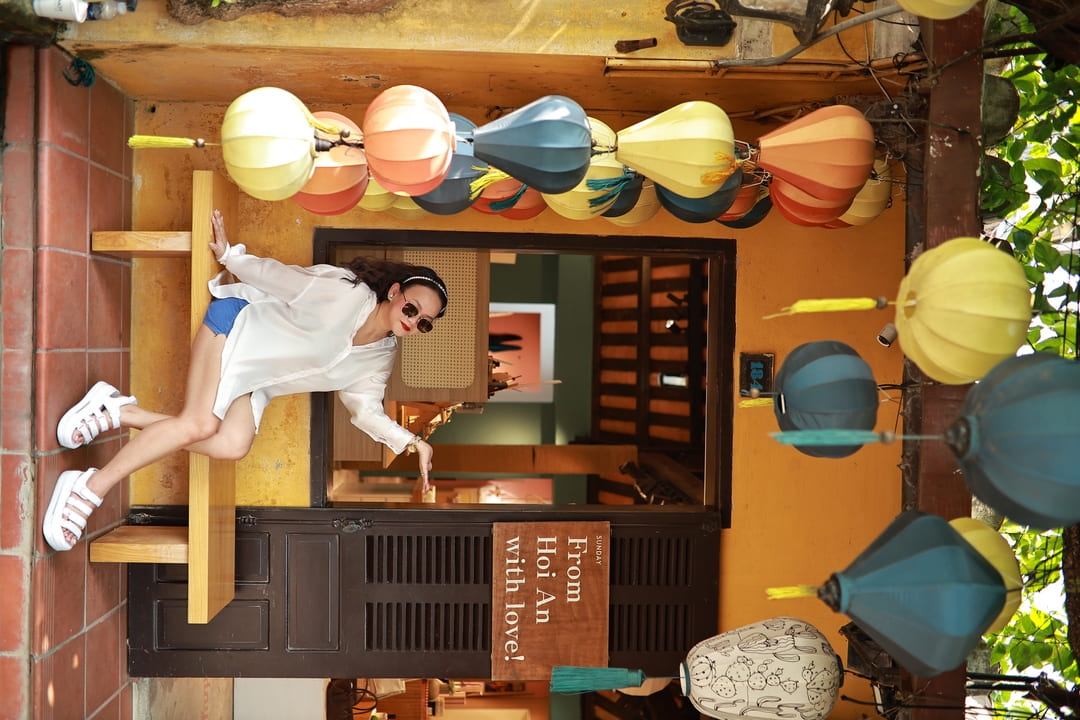
Hoi An was one of the easiest places to pack for during my April trip. Lightweight clothing and comfortable sandals were perfect for exploring the Ancient Town and nearby markets.
I was especially glad I packed a lightweight crossbody bag because it was much more convenient than carrying a larger backpack while sightseeing. A swimsuit also came in handy for visiting nearby beaches.
Da Nang
Da Nang was one of the warmest places I visited, so breathable clothing was essential. I spent most days wearing lightweight shirts, shorts, and comfortable sandals.
I found myself using sunscreen every day. Next time, I'd bring an extra bottle because many local sunscreens contain skin-whitening ingredients, and I preferred using the one I brought from home.
What to Pack for the Under30Experiences Vietnam Trip
If you're joining our Under30Experiences Vietnam Trip, a few extra items will make the activities on our itinerary even more comfortable.
Overnight Sleeper Train
Bring:
- Eye mask
- Earplugs
- Comfortable sleepwear
The overnight sleeper train between Ninh Binh and Hue is one of the most memorable parts of the trip. These small items can make it much easier to get a good night's sleep.
Hang Mua Viewpoint (Ninh Binh)
The climb to Hang Mua includes around 500 stone steps, so comfortable closed toe walking shoes are highly recommended.
Supportive shoes make the climb much more comfortable and provide better grip on the uneven steps.
Bike Ride & Boat Trip
Pack:
- Lightweight clothing
- Hat
- Sunglasses
- Sunscreen
- Waterproof phone pouch
These activities spend plenty of time outdoors, so sun protection and keeping your valuables dry are well worth planning for.
Hue Imperial City & Temples
Bring at least one outfit that covers your shoulders and knees.
You'll already have this if you follow the packing checklist, and it'll help you visit temples and historic sites respectfully.
Best Shoes for Vietnam
The right shoes can make a huge difference, especially if you'll be exploring cities, temples, beaches, and mountain towns.
During my trip, I found that three pairs of shoes covered everything I needed.
Comfortable Walking Sandals
These were easily the shoes I wore the most. They were lightweight, breathable, and comfortable enough for long days exploring Hanoi, Hoi An, and Da Nang.
Closed Toe Sneakers
Closed toe sneakers became one of the most useful pairs of shoes I packed. They're perfect for walking through cities, travel days, and activities like the 500 step climb to Hang Mua in Ninh Binh, where extra support and grip make a big difference.
Flip Flops
Flip flops were useful around my accommodations and for beach visits. Since they take up very little space, they're an easy addition to your packing list.
Health & Toiletries Checklist
A few small items can make your trip much more comfortable.
Mosquito Repellent
Bring a repellent containing DEET or Picaridin. Mosquitoes are common throughout Vietnam, and using repellent is one of the easiest ways to reduce your risk of mosquito borne illnesses like dengue.
Sunscreen
I was glad I packed sunscreen from home.
Although sunscreen is available in Vietnam, many local brands contain skin whitening ingredients. Bringing your preferred brand saves time and ensures you're using a product you're comfortable with.
Basic Medicines
I always travel with a small pouch containing:
- Pain relievers
- Imodium or other stomach medicine
- Electrolyte packets
- Motion sickness tablets
- Bandages
- Prescription medication
Thankfully, I didn't need most of them, but it was reassuring to have them.
Hand Sanitizer
Vietnam's street food is one of the highlights of any trip. I kept hand sanitizer with me and used it before eating throughout the day.
Electronics & Travel Gear
Besides clothing, a few travel accessories made getting around much easier.
Universal Travel Adapter
Vietnam uses plug types A, C, and D with a 220V supply, so a universal adapter is the simplest option.
Power Bank
Using maps, translating menus, and taking photos drained my phone battery faster than expected. A power bank quickly became one of my most used travel items.
Waterproof Phone Pouch
A waterproof pouch is useful for beaches, boat trips, and unexpected rain showers.
Packing Cubes
Packing cubes helped me stay organized while moving between several cities, making it easy to find what I needed without unpacking everything.
Crossbody Bag or Small Daypack
One of the best things I packed was a lightweight crossbody bag. It was much easier to carry than a large backpack while walking through markets and attractions, and it kept my essentials secure and easy to access.
Backpack or Suitcase?
If you're visiting several destinations, I'd recommend bringing a backpack instead of a hard shell suitcase.
A backpack also makes it much easier to move between buses, trains, and airports if your itinerary includes several cities.
Vietnam's sidewalks can be uneven, many accommodations have stairs, and you'll likely be moving between airports, buses, trains, and taxis.
I also found that a lightweight backpack or motorbike friendly crossbody bag was much easier to carry than a bulky shoulder bag, especially when getting on and off taxis or motorbikes. It made exploring cities like Hanoi, Hoi An, and Da Nang much more comfortable while keeping my essentials within easy reach.
If you're flying domestically, check your airline's baggage allowance before you travel. Many Vietnamese airlines strictly enforce carry on weight limits, so packing light can save both money and hassle.
One reason you don't need to overpack is that affordable laundry services are widely available in destinations like Hue and Hoi An. Packing lighter makes it much easier to move between cities, and you can always wash clothes along the way.
What I Was Glad I Packed
These were the items I was most glad I packed:
- Lightweight, quick drying clothing
- Comfortable walking sandals
- Closed toe sneakers
- A lightweight sweater for cooler northern mornings
- Sunscreen from home
- Mosquito repellent
- Power bank
- Reusable water bottle
- Lightweight crossbody bag
What I Wish I'd Packed
Overall, I packed well, but there are a few things I'd bring next time.
I wish I'd packed one extra lightweight long sleeve shirt for the cooler mountain regions of northern Vietnam. It would have come in handy during chilly mornings and evenings.
I'd also bring another bottle of sunscreen because I used it every day, and a few resealable plastic bags for wet clothes and laundry would have been surprisingly useful.
Solo Female Traveler Packing Tips
If you're traveling solo, a few extra items are worth packing.
A crossbody bag with secure zippers is a practical way to keep your valuables close while exploring.
For women, it's also worth bringing enough tampons or your preferred menstrual products for your trip. While they're available in larger cities, they can be harder to find in smaller towns, and the selection may be limited.
Finally, pack at least one outfit that covers your shoulders and knees when visiting temples or religious sites.
Packing by Season
Spring (March to April)
Lightweight clothing, comfortable walking shoes, and one light layer for northern Vietnam are usually all you need.
Summer & Rainy Season (May to October)
Pack a lightweight rain jacket, umbrella, waterproof bag cover, and quick drying clothing.
Autumn (September to November)
Northern Vietnam becomes cooler, while central Vietnam experiences more rain, so layering and rain protection become more important.
Winter (December to February)
If you're visiting northern Vietnam or mountain destinations like Sapa, bring warmer clothing, including a jacket or fleece for chilly mornings and evenings.
Frequently Asked Questions
What should I wear in Vietnam?
Wear lightweight, breathable clothing for most destinations, but pack a warm layer if you're extending your trip to northern mountain regions like Sapa.
Do I need a rain jacket in Vietnam?
Yes. A lightweight rain jacket is useful during the rainy season and for travel in central Vietnam between September and December.
Can you wear shorts in Vietnam?
Yes, but wear clothing that covers your shoulders and knees when visiting temples and religious sites.
What shoes should I bring to Vietnam?
Comfortable walking sandals, closed toe sneakers, and flip flops are all you need for most trips around Vietnam.
Is it difficult to find tampons or sunscreen in Vietnam?
Both are available in larger cities, but it's best to bring your own sunscreen and enough menstrual products for your trip.
Ready for Your Vietnam Tour?
Packing for Vietnam doesn't have to be complicated.
The biggest lesson I learned is to pack for different climates, not just one destination. Whether you're exploring Hanoi, Ninh Binh, Hue, Hoi An, or adding on mountain destinations like Sapa, having versatile clothing will make your trip much more comfortable.
If you're planning your first Vietnam tour, you don't need to overpack. A few lightweight layers, comfortable shoes, and practical travel essentials will prepare you for almost anything.
If you're ready to experience Vietnam for yourself, check out our Under30Experiences Vietnam Trip. We'll handle the itinerary, accommodations, and logistics so you can focus on exploring Vietnam. Just pack your bag, we'll take care of the rest.