


.avif)


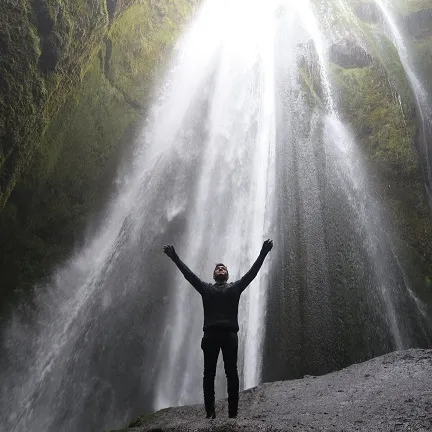


If you’re trying to figure out the best places to visit in Vietnam, the short answer is: almost everywhere. My Vietnam trip was never about rushing from one tourist attraction to the next. It was about a balance of adventure, good food, beautiful scenery, and slow moments along the way. The hard part is the order and the logistics. I spent nine days traveling the country, from the lantern lit streets of Hoi An to the mountains of Sapa, and left convinced it’s one of the easiest countries to explore, whether you’re going solo, with friends, or with people you love.
Below is what I actually saw, what I’d tell a first timer to prioritize, and how to do it without the trip feeling rushed. (If you’d rather skip the planning entirely, here’s how Under30Experiences runs its 9 day Vietnam trip.)
HERE’S WHAT THIS GUIDE COVERS
- The best time to visit Vietnam
- Hoi An and its lantern filled old town
- Da Nang, the Dragon Bridge, and Ba Na Hills
- Heading north to Sapa for the mountains
- The sleeper train experience
- Things to do in Hanoi
- Is Vietnam safe for solo travelers (including women)?
- Whether to do it independently or with a group
Best time to visit Vietnam
The best time to visit Vietnam is generally March and April, when the weather is mild and dry across most of the country. Vietnam is long and narrow, so the ideal window also depends on how far you’re traveling north to south. In the north (Hanoi, Sapa), spring (March to April) and autumn (September to November) bring mild, dry weather, while winter can get genuinely cold in the mountains. Central Vietnam (Da Nang, Hoi An, Hue) is driest and sunniest from roughly February to May; the autumn months can bring heavy rain to this stretch of coast.
If you’re covering several regions in one trip, March and April are the safest all round window. I traveled in February and found the weather hot and humid down south, but beautifully crisp, cool, and refreshing once I reached the northern mountains. Whenever you go, pack layers for the north.
Check out our Vietnam Recap for a full look back at the trip.
Things to Do in Hoi An
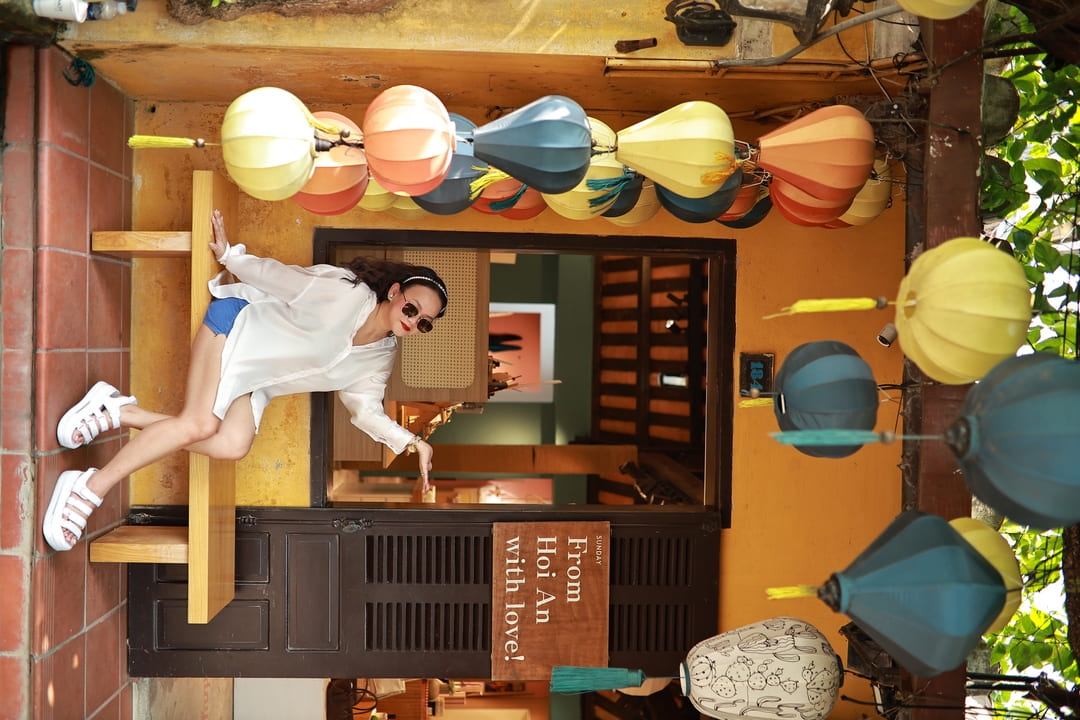
I started by flying into Da Nang and heading straight to Hoi An, and from the moment I arrived, it felt like a place that encourages you to slow down. The old town is full of character: narrow streets, yellow heritage buildings, and lanterns hanging from almost every corner.
At night, Hoi An becomes something else entirely. The lanterns reflect on the river while small boats drift past, carrying visitors through the glowing waterways. The night market fills with souvenirs, snacks, and handmade crafts, and you can happily spend hours just walking with no plan at all. Food was a daily highlight: fresh seafood near the beach, Vietnamese coffee breaks, and small local cafés.
Hoi An felt welcoming, safe, and easy to explore. It was the perfect place to begin a Vietnam adventure and immediately set the tone for the trip.
Things to do in Hoi An: wander the Ancient Town (a UNESCO World Heritage site), do a lantern boat ride after dark, get clothes tailor made, and cycle out to the surrounding rice paddies.
Getting around: the old town is walkable and largely car free. Rent a bicycle or just walk.
For solo travelers: Hoi An is one of the gentlest places in Vietnam to land first. It’s compact, safe to walk at night, and full of other travelers, so it’s easy to meet people. I recommend Faifo Coffee.
Things to Do in Da Nang
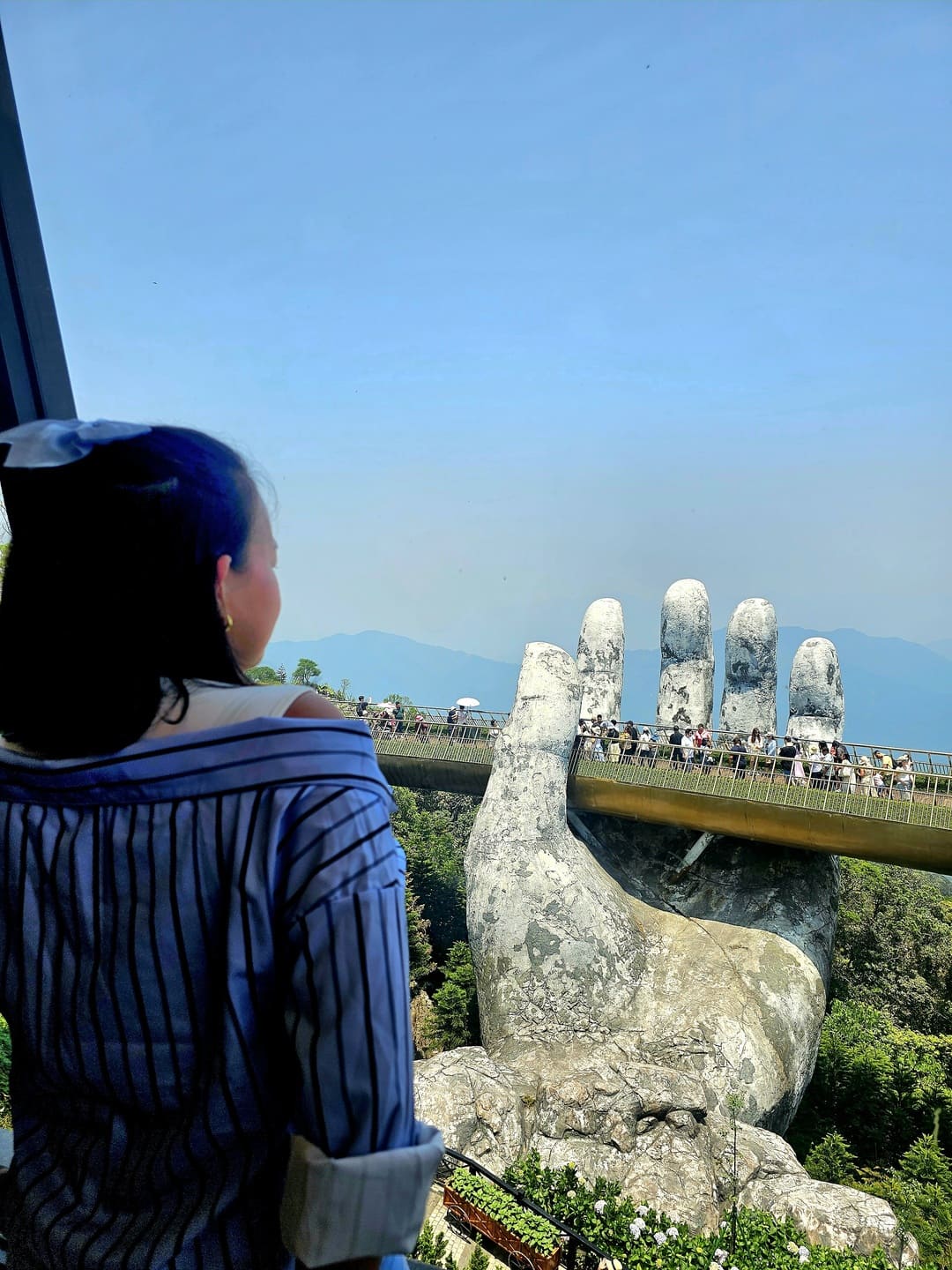
After Hoi An, I moved to Da Nang for two nights. The city feels more modern and energetic but still relaxed, with wide roads, riverside cafés, and a long stretch of coast. One of the biggest highlights was Sun World Ba Na Hills. Riding the cable car high over the mountains is an experience in itself, and seeing the famous Golden Bridge in person lives up to the photos. Back in the city, evenings by the river were the move: watching the Dragon Bridge breathe fire draws a crowd, and it’s free.
Things to do in Da Nang: Ba Na Hills and the Golden Bridge, the Dragon Bridge weekend fire show, My Khe Beach, and the Marble Mountains just south of the city.
Getting around: Da Nang is spread out. The Grab app (Vietnam’s ride hailing standard) is cheap and reliable, which also makes it low stress for solo travelers.
Good to know: Da Nang is where the U30X trip wraps up, so it’s a natural place to tack on extra days if you’re flying in or out of here.
Visiting Sapa: Rice Terraces and Mountain Treks
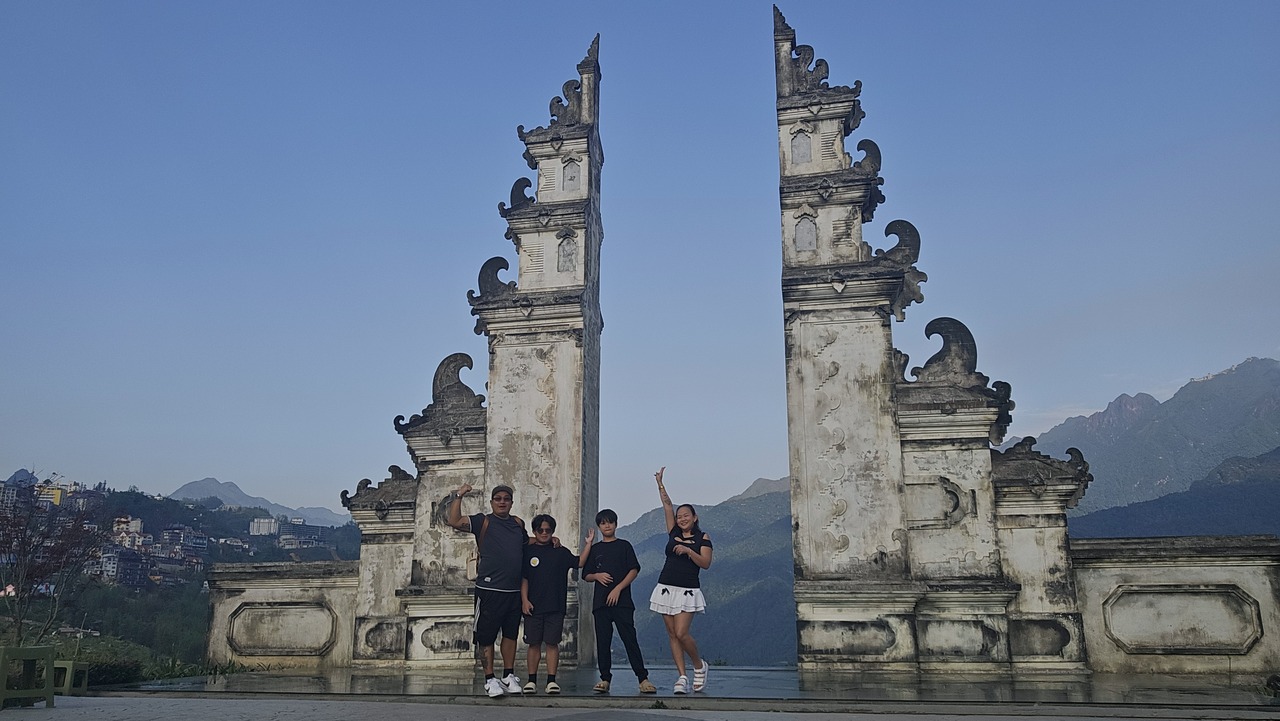
From Da Nang, I flew up to Hanoi and continued north to Sapa by sleeper bus. What looked like a long travel day on paper turned into part of the adventure. Watching the scenery shift from city streets to winding mountain roads made the hours go quickly. Sapa feels completely different from everywhere else: cooler air, fresher weather, and endless views of mountains, valleys, and rice terraces stretching into the distance.
I visited viewpoints and mountain cafés, took on the downhill rides, and stopped at the little animal farms where the alpacas were an unexpected highlight. At night, local food stalls came alive, and a warm meal after a cold mountain day is hard to beat.
Things to do in Sapa: trek the rice terraces (often with a local guide), ride the cable car or take on the Fansipan summit, and visit the hill tribe villages around the valley.
Getting around: most people reach Sapa by overnight sleeper bus or train from Hanoi; once there, treks and viewpoints are the draw.
For solo travelers: Sapa is best done with a guide or a small group. The trekking routes aren’t always obvious, and going with others is both safer and more enjoyable.
Note: Sapa is in the far north and isn’t part of the U30X Vietnam itinerary, so this is one to add on independently before or after a trip.
Things to do in HanoiHere's everything in this guide to the best places to visit in Vietnam
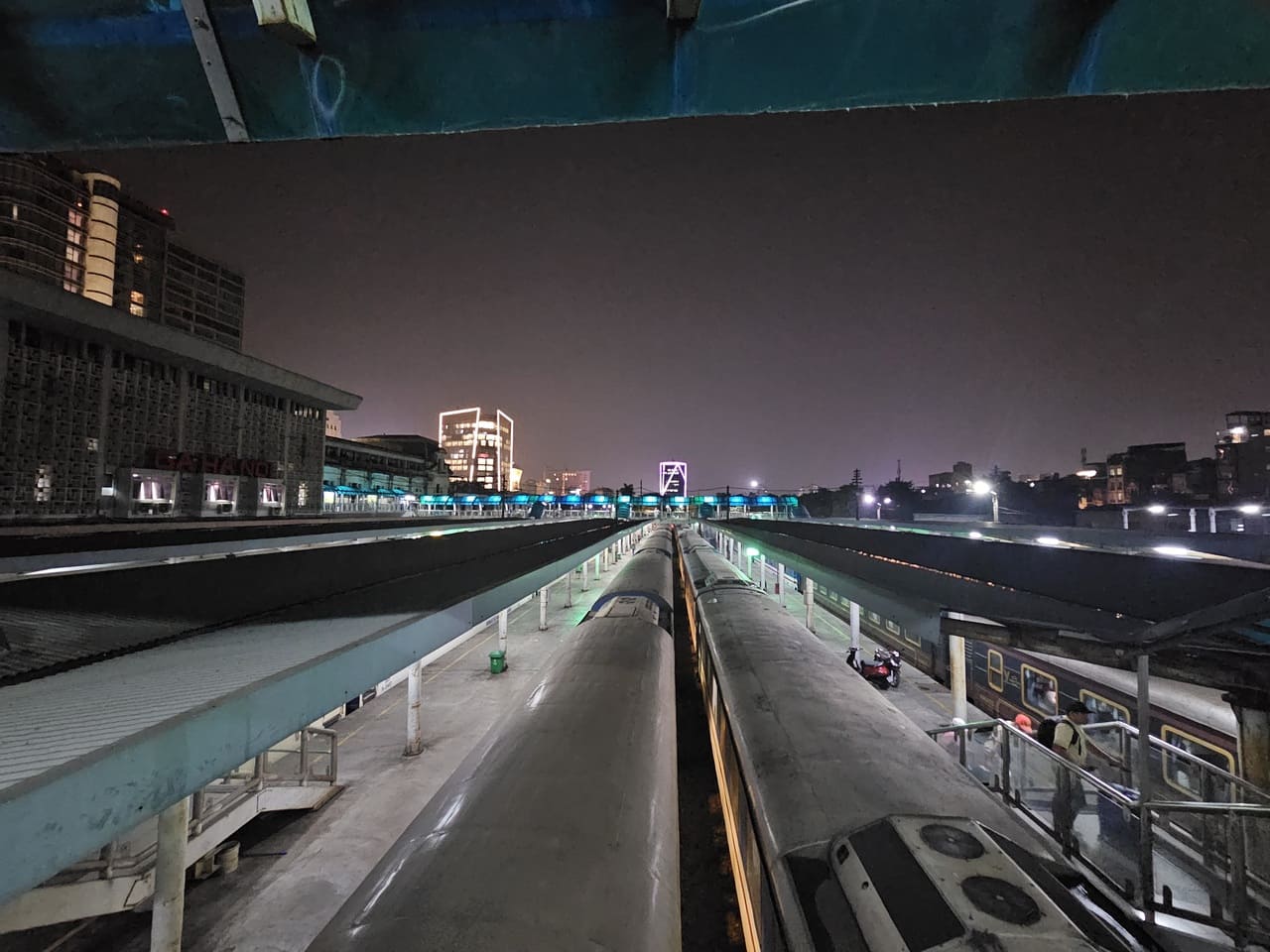
After Sapa, I took the sleeper train back toward Hanoi, and it turned out to be one of the most memorable parts of the trip: a small cabin, snacks organized, stations passing in the dark, and waking up to changing views. As travel days go, it barely felt like one.
Hanoi itself is loud, fast, and brilliant. I kept my days deliberately slow: the Old Quarter, busy street markets, cafés on every corner, and far more shopping than planned. One unexpected favorite was a steak night after days of local food. Nobody planned it, but it ended up being one of the best meals of the whole trip.
Things to do in Hanoi: explore the Old Quarter on foot, see the Temple of Literature (Vietnam’s first national university), walk around Hoan Kiem Lake, take a street food tour, and try bia hoi, the fresh draft beer poured on street corners.
Getting around: the Old Quarter is walkable; use Grab for anything further.
For solo travelers: Hanoi is busy, and the traffic is chaotic, but it’s very doable alone. A guided street food walk is one of the easiest ways to meet other travelers on your first night.
Is Vietnam safe for solo travelers, including women?
Short answer: yes. Vietnam is widely considered one of the safer countries in Southeast Asia for solo and female travelers. Violent crime against tourists is rare; the things to actually watch for are petty: bag snatching from passing motorbikes, overpriced taxis (use the Grab app), and the traffic, which is the real hazard. Standard precautions go a long way. Keep your bag on the inside of the sidewalk, agree prices before you ride, and trust your gut at night.
For most solo travelers, the real challenge isn’t safety. It’s not having anyone to share the experience with. That’s worth thinking about before you book.
Hungry for Vietnam? Read our Vietnamese Street Food Guide for a first timer's breakdown of what to eat, where to find it, and what it costs.
Should you do Vietnam solo or with a group?
You can absolutely piece this trip together yourself. I did. But if what draws you to Vietnam is the people, the food, and the slow evenings, doing it with a ready made group changes things. It’s what Under30Experiences’ 9 day Vietnam trip is built for: small groups of travelers in their 20s and 30s, a local Trip Leader handling the logistics, and the parts that are genuinely better with people. the Hanoi street food tour, a home cooked meal with a local family in Ninh Binh, the overnight train to Hue, and a guided walk through Hoi An’s Ancient Town. It covers two of my favorite stops on this list (Hanoi and Hoi An) plus regions I didn’t get to, like Ninh Binh and Hue.
If you want Vietnam without the planning, and without eating dinner alone, that’s the easiest way in. See the full Vietnam itinerary and dates →
Nine days in Vietnam go fast. I was already talking about coming back before the trip was over.
Frequently asked questions about visiting Vietnam
How many days do you need in Vietnam?
Nine days are enough for a solid first trip across two or three regions without rushing, long enough to slow down in places like Hoi An and still see the mountains or the countryside. Two weeks lets you add the far north or the south.
What is the best time to visit Vietnam?
March and April offer the most reliable weather countrywide. The north is also great in autumn (September–November), and central Vietnam is at its driest from February to May.
What are the best things to do in Vietnam?
A lantern boat ride in Hoi An’s Ancient Town, a street food tour in Hanoi’s Old Quarter, trekking the rice terraces in Sapa, riding the cable car to the Golden Bridge at Ba Na Hills, and a home cooked meal with a local family in the countryside.
Is Vietnam safe for solo female travelers?
Yes. Vietnam is widely considered one of the safer countries in Southeast Asia for solo and female travelers. Petty theft and traffic are the main things to watch; violent crime against tourists is rare.
Is Vietnam good for solo travelers?
Very. It’s affordable, friendly, and easy to get around, and the traveler scene makes it simple to meet people. Especially on a small group trip where the introductions are already built in.


