

If you're searching for the best things to do in Manila, chances are you're only spending a day or two in the city before heading to destinations like Palawan, Boracay, Siargao, or Cebu.
As someone who lives in the Philippines, I completely understand why many travelers treat Manila as just a stopover. It's busy, traffic can be frustrating, and it doesn't have the white-sand beaches that usually bring visitors here. But I also think many people leave too quickly without discovering what makes the city worth exploring.
Manila isn't about checking off famous landmarks one after another. It's about walking through centuries of history in Intramuros, trying Filipino dishes you won't easily find anywhere else, visiting neighborhoods that each have their own personality, and understanding how the country's past and present come together in one city.
If you only have one or two days, you won't see everything, and that's okay. This guide focuses on the places I'd actually recommend to friends visiting Manila for the first time, along with a few honest tips about what I'd skip so you can make the most of your time.
If you're planning a longer trip through Southeast Asia after the Philippines, be sure to explore our Asia trips for more travel inspiration.
If you're planning to explore more of the region, check out our guide to solo travel destinations in Asia, including more inspiration for visiting the Philippines and beyond.
In This Guide, You'll Learn
- Is Manila Worth Visiting?
- How Many Days Do You Need in Manila?
- What to Do in Manila in 1 Day
- What to Do in Manila in 2 Days
- Where to Eat in Manila
- Where to Stay in Manila
- Honest Local Tips: What I'd Skip
- Getting Around Manila
- Frequently Asked Questions
- Ready to Explore More of Asia?
- Final Thoughts
Is Manila Worth Visiting?
Yes, but it's important to set the right expectations.
If you're expecting crystal-clear beaches and island hopping, Manila probably isn't the place you're looking for. Those experiences begin once you leave the capital.
What Manila does offer is history, culture, incredible food, and a chance to better understand the Philippines before continuing your journey.
It also gives visitors a chance to experience the warmth Filipinos are known for. Friends visiting the Philippines often tell me that the people end up being just as memorable as the places they visit. Don't be surprised if a simple conversation becomes one of your favorite memories from the trip.
Living here has shown me how different every part of Metro Manila feels. Within the same day, you can walk through Spanish colonial streets inside Intramuros, enjoy modern shopping and rooftop restaurants in Bonifacio Global City, then end your evening eating Filipino comfort food at a family-run restaurant that's been serving locals for decades.
Manila is best enjoyed at a slower pace rather than trying to check off every attraction in a day.
How Many Days Do You Need in Manila?
For most travelers, one or two days is enough.
A single day lets you explore the city's historic center, enjoy authentic Filipino food, and visit a few of Manila's best-known landmarks.
If you have two days, you'll have enough time to experience different neighborhoods, discover more local restaurants, visit museums, and see another side of Metro Manila beyond Intramuros.
Personally, I think two days gives first-time visitors a much better understanding of the city without feeling rushed.
What to Do in Manila in 1 Day
If I were showing a friend around Manila for the first time, this is exactly how I'd spend the day.
Morning: Explore Intramuros

Start your morning in Intramuros, the oldest district in Manila.
Known as the "Walled City," Intramuros was built during the Spanish colonial period and remains one of the country's most historically significant places.
Walking through its cobblestone streets feels completely different from the busy avenues outside the walls.
Some highlights include:
- Fort Santiago
- San Agustin Church
- Manila Cathedral
- Plaza Roma
- Casa Manila

I never get tired of walking around Intramuros. Even after visiting countless times, it's one of those places that always reminds me how much history is hidden within the middle of a busy modern city. Early mornings are especially peaceful before larger tour groups arrive.
I also love hearing the horse-drawn kalesas making their way through the cobblestone streets. It reminds me how much of Manila's history is still alive inside the old city walls.
If you have time, consider renting a bamboo bike through Bambike. It's a fun way to see more of Intramuros while learning about its history.
Late Morning: Rizal Park
Just outside Intramuros is Rizal Park, one of the Philippines' most important public spaces.
The park honors Dr. José Rizal, the country's national hero, whose writings inspired the Philippine Revolution against Spanish colonial rule.
It's worth taking a short walk through the gardens and visiting the Rizal Monument before continuing your day.
Many visitors pass through quickly, but I like slowing down here for a few minutes. It's one of the few places in central Manila where the pace feels noticeably calmer.
Lunch: Try Authentic Filipino Food
One of the biggest reasons to spend time in Manila is the food.
Instead of choosing an international chain restaurant, use your first meal to experience classic Filipino cuisine.
Some dishes I always recommend to first-time visitors include:
- Chicken adobo
- Kare-kare
- Crispy pata
- Sinigang
- Lumpia
- Halo-halo for dessert
Whenever friends visit from overseas, food is always the first thing I plan. Filipino meals are meant to be shared, so ordering several dishes for the table is the best way to experience different flavors in one sitting.
If you're only having one traditional Filipino meal during your stay, make it count.
If you're not sure where to start, restaurants like Manam and Locavore are great introductions to Filipino food and are popular with both locals and visitors.
I almost always recommend ordering a few dishes to share instead of individual meals. That's how Filipino families usually eat, and it's the best way to experience a variety of flavors.
Afternoon: National Museum Complex
After lunch, head to the National Museum Complex.
Admission is free, making it one of Manila's best-value attractions.
It's also one of the easiest places to spend a few quiet hours if you're visiting during the hottest part of the day.
Depending on your interests, you can visit:
- National Museum of Fine Arts
- National Museum of Anthropology
- National Museum of Natural History
Even if you only have time for one building, I'd recommend the Museum of Fine Arts, home to Juan Luna's famous Spoliarium painting.
Visiting before heading to the islands gives you a much deeper appreciation for the country's history, art, and culture.
Sunset: Manila Bay
End your first day at Manila Bay.
Despite the city's growth, watching the sun set over the bay remains one of Manila's classic experiences.
The waterfront has changed over the years, but it's still one of the best places in the city to slow down before dinner.
Manila Bay sunsets appear in almost every guide, and for good reason. Even as someone who lives here, I still find myself stopping to watch the sky change colors whenever I'm nearby. It's a simple moment that never really gets old.
As the sun goes down, you'll usually see families, couples, joggers, and street performers filling the waterfront, giving the area a lively atmosphere.
Dinner

For dinner, choose a restaurant serving traditional Filipino cuisine rather than international food.
If you're feeling adventurous, try dishes that locals actually eat rather than only the ones found on tourist lists.
I always tell visitors not to be afraid of family-owned restaurants. Those are usually the places locals recommend to each other. Some of my favorite meals in Manila have come from places without flashy signs or long lines, just recipes that have been passed down for generations.
What to Do in Manila in 2 Days
With two days in Manila, you can slow down and experience more than just the city's historic landmarks.
After spending your first day exploring Intramuros and the museums, use your second day to discover some of Metro Manila's modern neighborhoods, local cafés, shopping districts, and parks. This gives you a much more balanced view of the capital.
Morning: Bonifacio Global City (BGC)
Start your second day in Bonifacio Global City, commonly known as BGC.
It's one of the newest business districts in Metro Manila and feels completely different from Intramuros. Wide sidewalks, public art, parks, cafés, and modern skyscrapers give the neighborhood a more relaxed atmosphere that's easy to explore on foot.
Some places worth visiting include:
- High Street
- Track 30th Park
- Terra 28th
- The Mind Museum (if you're traveling with family)
- Street murals and public art installations
Whenever I need a slower pace, BGC is usually where I end up. It's one of the easiest places in Metro Manila to spend a few hours walking without worrying about traffic or crossing busy roads. I also like grabbing a coffee here and simply people-watching before moving on to the next stop.
I usually end up walking along High Street longer than I planned because there's almost always something happening, whether it's a weekend market, live music, or outdoor fitness classes.
Lunch: Modern Filipino Cuisine
Your second day is a great opportunity to try modern Filipino restaurants that put a fresh spin on traditional dishes.
Look for menus featuring:
- Sisig
- Beef tapa
- Pancit
- Chicken inasal
- Kinilaw
- Ube desserts
What I appreciate most about Manila's food scene is that you can enjoy recipes that have been around for generations while also finding restaurants that reinterpret Filipino classics in creative ways. Both are worth experiencing if you have the time.
Afternoon: Makati
After lunch, head to Makati, another neighborhood that's popular with both locals and visitors.
While it's known as Manila's financial district, it's also home to excellent restaurants, museums, shopping, and nightlife.
Some places to explore include:
- Ayala Triangle Gardens
- Greenbelt
- Glorietta
- Legazpi Active Park
- Washington SyCip Park
After exploring Greenbelt and the nearby parks, stop at one of Makati's independent cafés before heading out for the evening.
Evening: Rooftop Views or Live Music
Finish your visit with dinner and either rooftop views or live music.
Depending on what you're looking for, you can:
- Enjoy skyline views from a rooftop restaurant or bar.
- Watch a local band perform.
- Explore Poblacion's restaurants and nightlife.
- Have one last Filipino meal before continuing your trip.
Even if nightlife isn't your thing, simply enjoying dinner while watching the city lights come on is a great way to end your time in Manila.
Where to Eat in Manila
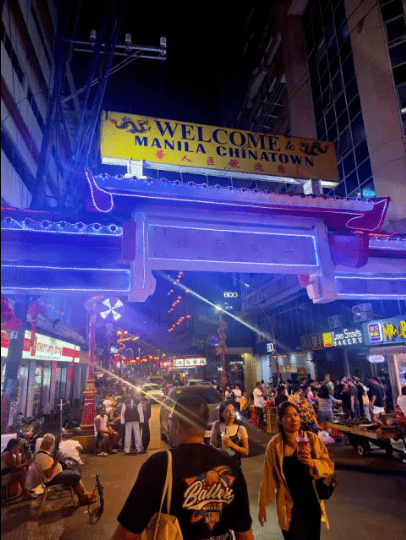
Manila has no shortage of excellent restaurants, but these are the places I usually recommend to friends visiting for the first time.
Intramuros / Ermita
- Barbara's Heritage Restaurant
- Ilustrado
Makati
- Manam
- Locavore
- Toyo Eatery (if reservations are available)
BGC
- Gallery by Chele
- Wildflour for breakfast or coffee
Don't be afraid to eat where local families are dining. Some of my favorite meals have come from neighborhood restaurants that never appear on "Top 10" lists.
Where to Stay in Manila
Where you stay can completely change your experience of Manila.
Here's what I'd recommend depending on your trip.
Traveling independently? Our ultimate guide to solo travel covers everything from planning your trip to navigating unfamiliar destinations with confidence.
Intramuros or Ermita
Best if you're interested in:
- History
- Museums
- Walking tours
You'll be close to many of Manila's oldest attractions.
Makati
Best for:
- Restaurants
- Nightlife
- Shopping
- Easy transportation
If it's your first visit, Makati is probably the neighborhood I'd recommend most.
Bonifacio Global City (BGC)
Best for:
- Families
- Digital nomads
- Walkability
- Modern hotels
- Cafés
If walkability is important to you, BGC is one of the easiest parts of Metro Manila to explore on foot.
If it's your first visit, I'd personally choose either Makati or BGC. Both make it easy to get around, have excellent restaurants, and offer a comfortable base for exploring the city.
Honest Local Tips: What I'd Skip
Since I live here, I think it's just as helpful to tell you what not to spend your limited time doing.
If you only have one or two days:
I wouldn't try to visit every mall in Metro Manila.
While malls are a huge part of everyday life in the Philippines, they can easily take up half a day without showing you much about the city itself.
I'd also avoid trying to squeeze too many neighborhoods into one day.
Traffic in Metro Manila is unpredictable, and spending hours inside a car isn't the best way to experience the city.
Instead, choose one or two nearby neighborhoods and enjoy them properly.
Another tip I always share with friends is to leave some flexibility in your schedule. Some of my favorite days in Manila haven't been packed with attractions. They've been simple afternoons spent discovering a new café, finding a great local restaurant, or taking an unexpected walk through a neighborhood I hadn't visited in a while.
Getting Around Manila
The easiest way to get around Metro Manila is by using Grab. I also recommend giving yourself more time than Google Maps suggests. Manila traffic can change quickly, especially during weekday rush hours.
It's reliable, easy to use, and generally the option I'd recommend for first-time visitors.
If you're feeling adventurous, you can also try:
- Jeepneys
- The MRT
- The LRT
Public transportation is inexpensive, but if it's your first visit, Grab will usually save you time and confusion.
Planning to explore more cities in Southeast Asia? Our Bangkok layover guide shares practical tips for making the most of a short stop in Thailand's capital.
I always remind visitors to be patient with traffic. Even relatively short distances can take longer than expected during rush hour, so try not to plan your day too tightly.
Frequently Asked Questions
Is Manila worth visiting?
Yes. While many travelers head straight to the islands, spending one or two days in Manila offers a better understanding of the country's history, culture, and food.
Is Manila expensive?
Compared to many other major cities in Asia, Manila is relatively affordable. Accommodation, transportation, and local food are generally good value, although luxury hotels and international restaurants can be considerably more expensive.
How many days should I spend in Manila?
For most visitors, one to two days is enough to experience the city's highlights before continuing to other destinations in the Philippines.
Is Manila safe for tourists?
Like any major city, it's important to stay aware of your surroundings, use common sense, and stick to well-populated areas. Neighborhoods like Makati, BGC, and Intramuros are popular with visitors.
What is Manila best known for?
Manila is known for Intramuros, Spanish colonial history, Filipino cuisine, Manila Bay sunsets, and serving as the gateway to the Philippines' islands.
What's the best way to get around Manila?
Grab is the easiest and most convenient option for most travelers, while the MRT and LRT can help avoid traffic during busy periods.
Ready to Explore More of Asia?
Manila is often the beginning of an unforgettable trip through Southeast Asia.
Whether you're heading to the beaches of Palawan, the surf in Siargao, or continuing on to destinations like Thailand, Vietnam, or Taiwan, spending a little time in the Philippine capital helps you better understand the country's history, culture, and people.
If you're planning a bigger adventure, explore our Asia trips for small-group experiences across some of the region's most incredible destinations.
Final Thoughts
I'll be honest. Manila isn't always love at first sight.
It's busy, noisy, and sometimes overwhelming. But it's also welcoming, full of character, and filled with stories that many travelers miss because they're too eager to catch the next flight to the islands.
Living here has taught me that Manila is best appreciated slowly. It's the long lunches, quiet mornings inside Intramuros, the smell of grilled street food in the evening, and the unexpected neighborhood cafés that stay with you long after you've left.
The more time I spend here, the more I realize that Manila isn't a city you rush through. It's a place you gradually come to appreciate.
If you give Manila a day or two before heading to the beaches, I think you'll leave with a much deeper appreciation for the Philippines than if you had simply passed through the airport.