.avif)




By Maricruz Acosta, U30X Central America Manager
Day of the Dead in Oaxaca, 2026
Día de Muertos in Oaxaca is a major celebration of remembrance, family, food, music, art, and tradition. In 2026, the main observances fall from Saturday, October 31 through Monday, November 2. The final week of October brings markets, altars, marigolds, food, and other preparations, while cemetery vigils and comparsas become central parts of the celebration on October 31 and into November 1 and 2.
For travelers, Oaxaca during Día de Muertos offers a chance to experience traditions that are deeply connected to family and community, while exploring the city's markets, neighborhoods, food, and surrounding villages.
Day of the Dead in Oaxaca: 2026 at a Glance
Dates: Saturday, October 31 through Monday, November 2, 2026
What happens: Altars, markets, marigold decorations, food, music, cemetery vigils, and neighborhood comparsas build throughout the final week of October and continue through November 2.
October 31: Cemetery vigils begin, and comparsas become a major part of the celebrations in neighborhoods and streets.
November 1: The holiday traditionally honors children who have died.
November 2: The focus turns to adults who have died, with families continuing to gather at cemeteries and tend to graves.
Where to go: Oaxaca City, surrounding neighborhoods, markets, and cemeteries are all part of the experience. Specific locations and schedules can vary from year to year.
When Is Day of the Dead in Oaxaca?
Día de Muertos is observed across Mexico, but Oaxaca is particularly known for the scale and variety of its celebrations.
The most important dates are October 31, November 1, and November 2, although the experience begins before those dates. During the final week of October, markets fill with seasonal foods and decorations, families prepare altars, and streets begin to take on the colors and symbols associated with the holiday.
In 2026, October 31 falls on a Saturday, November 1 falls on a Sunday, and November 2 falls on a Monday, making the main celebration a long weekend.
If the goal is to experience the full atmosphere rather than only one night, plan several days in Oaxaca so there is time for both the buildup and the main celebrations.
What Happens During Day of the Dead in Oaxaca?
Late October: The City Gets Ready
The days leading up to Día de Muertos are part of the experience. Markets and shops begin displaying marigolds, candles, papel picado, pan de muerto, and other seasonal items.
Families prepare their ofrendas, while public spaces and businesses add their own decorations. Travelers can use this time to visit markets, try seasonal foods, and see how preparations build toward the main nights.
October 31: Cemeteries and Comparsas
October 31 is when the celebrations become especially visible after dark.
Cemetery vigils begin, including gatherings where families spend time with loved ones who have died. Comparsas, or neighborhood-led processions featuring music, costumes, dancing, and community participation, also move through Oaxaca's streets.
You can't talk about Oaxaca without mentioning the comparsas: the vibrant, neighborhood-led parades that pulse through the streets. Brass bands, people in incredible costumes, including the viejitos and catrinas, and dancing that lasts well into the night.
November 1: Remembering Children
November 1 traditionally honors children who have died.
Altars and cemetery visits continue, with families bringing flowers, candles, food, photographs, and other meaningful items. The atmosphere can be festive, emotional, intimate, or all three at once.
Visitors should remember that these are family traditions, not simply public entertainment. Respectful observation is essential.
November 2: Remembering Adults
November 2 traditionally honors adults who have died.
Families continue visiting cemeteries, tending graves, sharing food, listening to music, and remembering relatives. For travelers, this can be one of the most meaningful parts of the celebration, but respectful behavior remains essential.
Where to Experience Day of the Dead in Oaxaca
Oaxaca's celebrations extend beyond one central event. Different neighborhoods, markets, cemeteries, and surrounding communities have their own traditions and schedules.
Cemeteries

Cemeteries are among the most significant places to experience Día de Muertos, particularly during the nighttime vigils.
Xoxocotlán is one of the best-known places near Oaxaca City for experiencing Día de Muertos cemetery traditions, particularly during nighttime vigils.
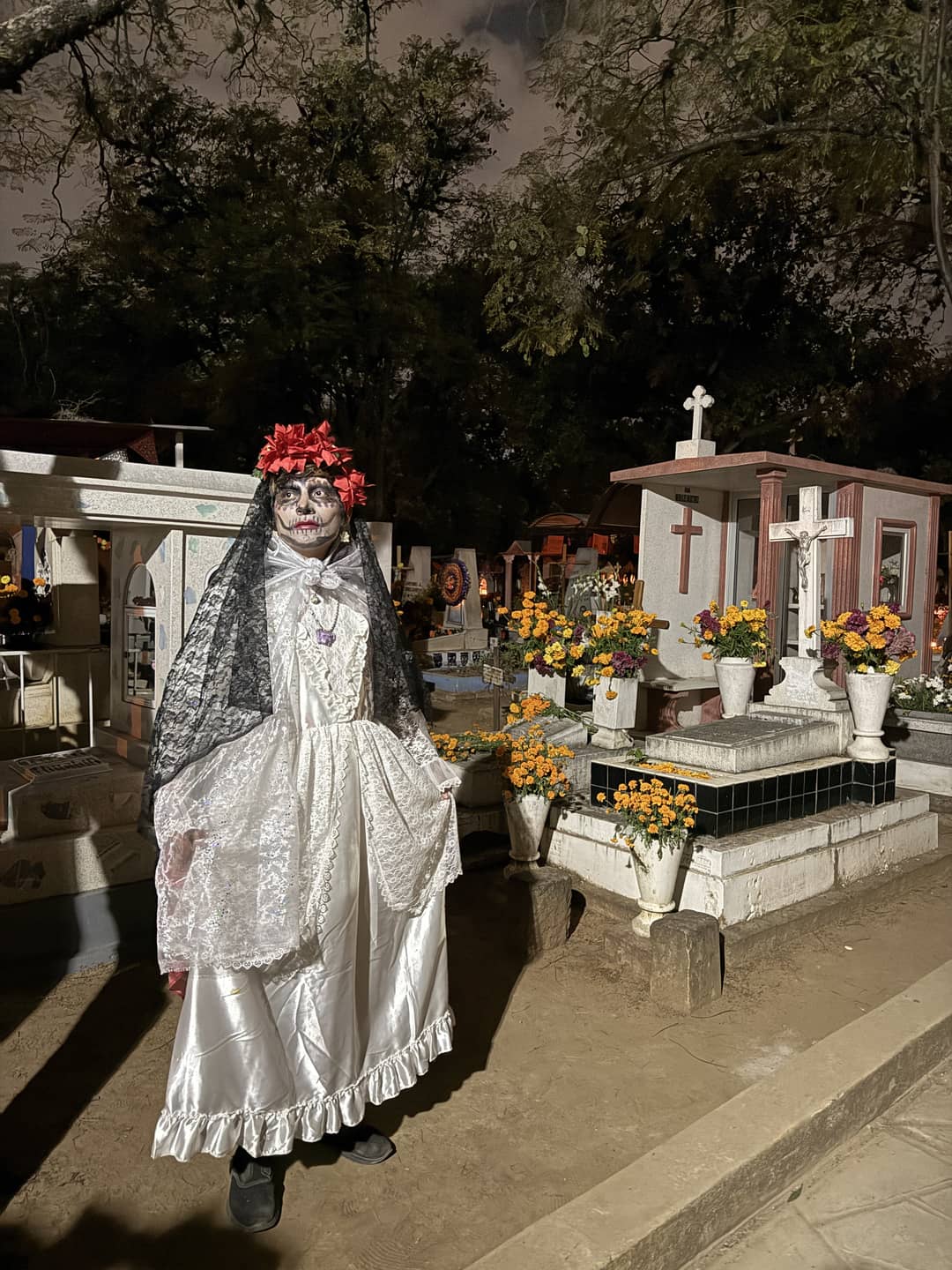
The U30X group visited Panteón General (San Miguel) on November 1.
When visiting a cemetery, remember that the people around you may be there to honor someone they love. Stay quiet around families, ask before taking close-up photographs, avoid touching offerings or decorations, and follow any local instructions.
Comparsa Neighborhoods
Comparsas are neighborhood-led processions featuring music, dancing, costumes, and large groups moving through the streets.
Schedules can vary, so travelers should check local listings and current event information shortly before visiting.
Markets and Seasonal Fairs
Markets are another important part of the experience. In the final week of October, travelers can find marigolds, candles, seasonal decorations, pan de muerto, chocolate, and other foods associated with Día de Muertos.
Seasonal chocolate and pan de muerto fairs are another highlight to look for during the buildup to the holiday.
How to Be Respectful at Oaxaca Cemeteries
A cemetery visit during Día de Muertos requires more awareness than simply showing up with a camera.
Remember:
- Ask before photographing people, especially families gathered around graves.
- Do not touch graves, offerings, candles, flowers, photographs, or personal belongings.
- Keep voices low when near families.
- Follow local signs, security instructions, and guidance from cemetery staff.
- Avoid blocking paths or gathering around a family while they are tending to a grave.
- Dress comfortably and appropriately for an evening outdoors.
- Remember that people are honoring relatives and loved ones, even when the atmosphere is lively.
People often think visiting cemeteries is a celebration, but in reality, they find families praying and gathering to share a meal or memory with their loved ones. The goal is to observe respectfully rather than turn someone's private remembrance into a photo opportunity.
Oaxaca Food and Drink During Día de Muertos
Food is one of the easiest ways to experience Oaxaca's culture during Día de Muertos.
Look for seasonal staples such as pan de muerto, hot chocolate, handmade tortillas, and Oaxaca's traditional moles. The city's markets are especially useful for trying local foods in a casual setting.
Oaxaca is known for its seven classic moles, each with its own ingredients, preparation, and regional character.
Mezcal is another important part of Oaxaca's food and drink culture. Travelers can encounter different varieties and styles throughout the city, from casual tastings to more elaborate meals.
Other Oaxaca Experiences to Add to Your Trip
Día de Muertos is the centerpiece, but Oaxaca offers plenty to explore beyond the holiday itself.
Travelers can visit Mitla, see the famous Tule tree, take part in a beeswax candle workshop, share a Zapotec home-cooked lunch, and learn more about Oaxaca's mezcal traditions.
These experiences also provide context for the holiday by showing travelers the communities, crafts, food, and traditions that make the region more than a seasonal destination.
What Is an Ofrenda?
An ofrenda is an altar created to honor someone who has died.
The elements placed on an altar can carry different meanings. Common elements include:
- Candles: Light to help guide the spirits.
- Copal: Incense traditionally used to cleanse and prepare the space.
- Pan de muerto: A seasonal bread associated with the celebration.
- Photographs: Images of the people being remembered.
- Food and drinks: Offerings connected to the person being honored.
- Marigolds: Flowers strongly associated with Día de Muertos.
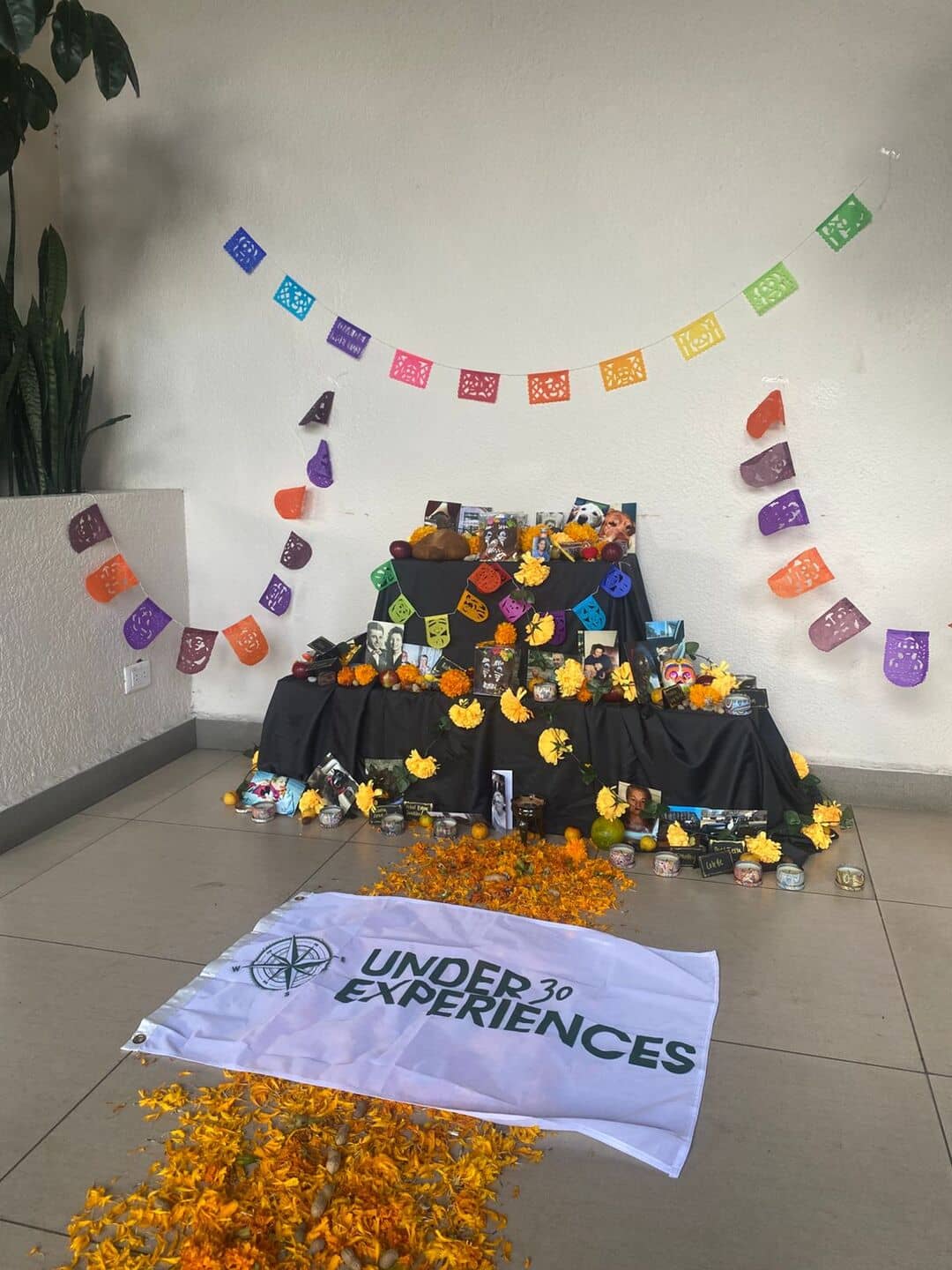
On our trip, travelers created a group ofrenda and brought photographs of family members and beloved pets to contribute.
How Many Days Do You Need in Oaxaca for Day of the Dead?
Three days can give travelers a taste of the main celebrations, but four to five days provides more time to experience the buildup, markets, food, surrounding communities, cemetery traditions, and nighttime celebrations without rushing.
If visiting specifically for Día de Muertos, arriving before October 31 gives travelers a chance to see Oaxaca prepare for the holiday rather than arriving only for the final celebrations.
Travelers should also allow enough time for the evening events, since some of the most important experiences happen after dark.
What Is the Weather Like in Oaxaca During Day of the Dead?
Oaxaca can be warm during the day and noticeably cooler after sunset during Día de Muertos.
Daytime temperatures can range from approximately 68 to 86 degrees Fahrenheit, while nighttime temperatures can drop to around 50 degrees Fahrenheit.
Pack layers that can work throughout the day:
- T-shirts or lightweight tops
- Comfortable walking shoes
- A sweater, fleece, or light jacket
- Comfortable pants
- A small daypack
- Reusable water bottle
- Portable power bank
For the full trip-specific packing list, see the Oaxaca Day of the Dead trip details and packing list.
Even if afternoons are warm, evening cemetery visits can feel chilly, so a warm layer is worth bringing.
Is Oaxaca Safe During Day of the Dead?
Oaxaca attracts large numbers of visitors during Día de Muertos, and the busiest areas can become crowded, particularly around major events and nighttime celebrations.
Travelers should use normal precautions: keep valuables secure, stay aware of their surroundings, use reputable transportation, avoid walking alone in unfamiliar areas late at night, and follow local guidance.
For travelers joining a group trip, follow the trip leader's instructions about meeting points, transportation, and evening activities.
For more practical information, see the Oaxaca Day of the Dead Trip FAQ.
Traveling with Under30Experiences?
If you're considering a small-group trip rather than traveling independently, Under30Experiences runs a Day of the Dead trip designed for solo travelers ages 21 to 35.
2026 Trip Status
Traveling with U30X: The 2026 Day of the Dead trip runs October 31 to November 3 and currently has one seat left.
The trip is 4 days and 3 nights, starts at $1,995 per person, and is designed for a small group of solo travelers ages 21 to 35.
For travelers joining the U30X trip, check the current trip itinerary for the latest information on included activities.
Our Oaxaca Day of the Dead Trip: A Recap
Here's what the U30X experience looked like for the travelers who joined the trip.
In 2025, I hosted a group of 14 travelers in Oaxaca during Día de Muertos.
The trip brought together travelers who arrived from different places and experiences, but the celebrations gave the group plenty of opportunities to share meals, explore Oaxaca, and experience the holiday together.
Creating a Group Ofrenda
One of the most meaningful moments was when our group created our own ofrenda. What began as a cultural activity became deeply personal. We shared photos of family members and even beloved pets. Our lead guide, Gonzalo, walked us through the symbolism: candles to light the path home, copal to cleanse the space, pan de muerto to nourish the visiting spirits. Placing those photos together turned our group of fourteen strangers into a small community.
Visiting the Cemeteries
We visited Panteón General (San Miguel) on November 1, which is often the highlight of the trip. Far from being somber, the atmosphere was electric. Families gathered around graves to play music, share meals, and tell stories of their ancestors. In Oaxaca, a cemetery isn't a place of mourning; it's a place of reunion. Witnessing this firsthand reshaped how many of our travelers think about loss.
Meeting the Local Community
Gonzalo is more than just a guide; he is the bridge between our travelers and the local community. Whether he was navigating us through the crowded markets or explaining the nuances of different mezcals, he ensured everyone felt safe and deeply connected to the culture.
Frequently Asked Questions: Day of the Dead in Oaxaca
When is Day of the Dead in Oaxaca?
The main Día de Muertos observances in Oaxaca take place from October 31 through November 2. In 2026, those dates fall on Saturday, October 31, Sunday, November 1, and Monday, November 2. Preparations, markets, altars, and seasonal events begin during the final week of October.
What is the best night to visit the cemeteries?
October 31 through November 2 can all offer meaningful cemetery experiences, but the specific atmosphere varies by cemetery and community. November 1 and 2 are traditionally associated with remembering children and adults, respectively. Travelers should check local schedules and follow the guidance of families and cemetery staff.
Can tourists visit the cemeteries, and how do I do it respectfully?
Visitors can attend public cemetery celebrations, but they should remember that families are there to honor loved ones. Ask before photographing people, do not touch graves or offerings, keep voices low around families, and follow local rules. A respectful visitor observes without treating the cemetery like a tourist attraction.
What are comparsas and muerteadas, and where do I see them?
Comparsas are neighborhood-led processions featuring music, costumes, dancing, and community participation. Muerteadas are another form of Day of the Dead procession associated with Oaxaca and surrounding communities. Exact routes and schedules can vary each year, so travelers should check current local information before attending.
How many days do I need in Oaxaca for Day of the Dead?
Three days can cover the main celebrations, but four to five days allows more time for the buildup, markets, food, surrounding communities, cemetery visits, and evening events. Arriving before October 31 also gives travelers a chance to see the city prepare for the holiday.
How far ahead should I book?
Oaxaca is especially busy around Día de Muertos, so travelers should book accommodation and transportation as early as possible. Popular hotels, flights, and experiences can fill quickly around October 31 through November 2.
Is Oaxaca safe during Day of the Dead?
Oaxaca receives many visitors during Día de Muertos, but crowds can make normal travel precautions especially important. Keep valuables secure, stay aware of your surroundings, use reputable transportation, and follow local guidance. Travelers joining a group should also follow their trip leader's instructions.
Is Day of the Dead the same as Halloween?
No. Día de Muertos is a Mexican tradition centered on remembering and honoring deceased loved ones. Although both holidays occur around the same time and can involve costumes and decorations, Día de Muertos has its own cultural history, symbolism, and traditions.
Is it OK to wear face paint or a costume?
Visitors should be thoughtful about how they participate. Face paint and costumes can be part of public celebrations, but travelers should avoid treating culturally meaningful symbols as costumes without understanding their context. When in doubt, observe local customs and choose respectful participation over imitation.
What is the weather like during Day of the Dead?
Oaxaca is generally mild during Día de Muertos, but evenings can become chilly. Daytime temperatures can range from approximately 68 to 86 degrees Fahrenheit, while nighttime temperatures can fall to around 49 or 50 degrees Fahrenheit. Layers are useful for travelers spending long evenings outdoors.
Is there a group trip for solo travelers in their 20s and 30s?
Yes. Under30Experiences offers a small-group Oaxaca Day of the Dead trip for solo travelers ages 21 to 35. The trip includes a mix of cultural experiences and time in Oaxaca during the main Día de Muertos celebrations.
Join Us in Oaxaca

You can experience Día de Muertos independently, or you can join a small group and have the logistics handled while you focus on the experience.
Under30Experiences' Oaxaca Day of the Dead trip is built for solo travelers ages 21 to 35 who want to experience the celebration with a small group.