.avif)




Quick Answer: Is Thailand Safe Right Now?
Yes. Thailand is one of the safest major destinations in Asia for tourists. The U.S. State Department currently rates Thailand Level 1: Exercise Normal Precautions, although specific areas near the Thai-Cambodian border and in Thailand's far south carry additional travel warnings.
- Violent crime against tourists is relatively rare.
- The biggest practical risks are road accidents, especially motorbikes, along with scams and a few health concerns.
- Parts of the Thai-Cambodian border and Thailand's deep south carry current travel warnings.
- These higher-risk areas are outside the main tourist route.
- Solo travelers, including women, visit Thailand independently every day.
I’ve traveled through Thailand twice, and safety has never been the thing that made me hesitate about being there. I’ve spent time exploring cities, eating at local restaurants, visiting temples, getting around by different forms of transportation, and spending time on the islands. For me, Thailand has always felt comfortable to travel through.
That doesn't mean Thailand is completely risk-free. Like anywhere else, there are a few practical risks travelers should understand before they go, especially road accidents when renting motorbikes or scooters. There are also tourist scams, petty theft, health considerations, and a few parts of the country where current travel advisories recommend avoiding travel.
The two areas travelers should pay particular attention to are the Thai-Cambodian border region and parts of Thailand's deep south, particularly Yala, Pattani, and Narathiwat. These areas are outside the main tourist routes, so most visitors will not encounter them during a typical Thailand trip.
Many travelers from Western countries can enter Thailand without a visa for tourism, but eligibility and permitted stay depend on nationality and current Thai immigration rules. Starting September 15, 2026, eligible passport holders can enter under Thailand's revised 30-day visa exemption scheme.
If you're planning your first trip, our Thailand packing list and Bangkok City guide can help you prepare. And if you'd rather experience Thailand without handling all the transportation and logistics yourself, check out our Under30Experiences Thailand trip.
In This Guide, You'll Learn
- Is Thailand safe for tourists?
- What areas of Thailand are safe, and which should you avoid?
- What are the real safety risks in Thailand?
- Is Thailand safe for solo female travelers?
- What scams should you be aware of?
- What's the safest way to get around Thailand?
- What local laws should travelers know?
- Are there natural disasters and seasonal risks?
- What health risks should travelers know about?
- What are the emergency numbers in Thailand?
- Where should tourists go for medical care?
- Do you need travel insurance for Thailand?
- Should you travel to Thailand?
- Are group trips to Thailand safe?
Is Thailand Safe for Tourists?
Yes. Thailand is generally considered a safe destination for tourists, and the U.S. State Department currently rates the country Level 1, meaning travelers should exercise normal precautions. The main exceptions are specific areas near the Thai-Cambodian border and parts of the deep south, which are outside most tourist itineraries.
For most travelers, the biggest safety concerns are practical rather than violent crime or terrorism: traffic, motorbike accidents, scams, heat, food and water hygiene, and staying aware in crowded areas.
The important thing is to understand where the current travel warnings actually apply.
Thailand Safety Summary
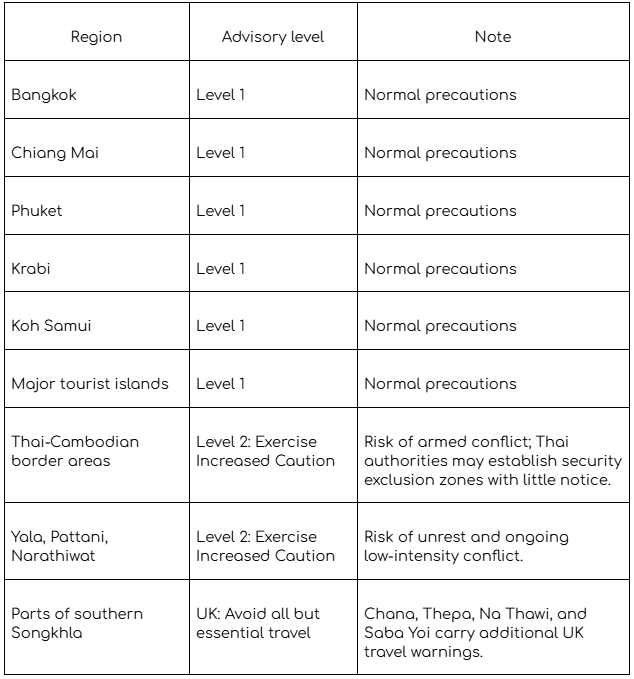
The current U.S. advisory specifically identifies the Thai-Cambodian border and Yala, Pattani, and Narathiwat as areas of increased risk.
What Areas of Thailand Are Safe?
For most tourists, Bangkok, Chiang Mai, Phuket, Krabi, Koh Samui, and Thailand's major tourist islands are generally safe to visit with normal travel precautions.
I've traveled through Thailand twice, and the places I visited felt very safe. The places I visited are far from the parts of the country currently affected by travel advisories, which are also outside the destinations that Under30Experiences visits. If your itinerary follows the usual Bangkok, northern Thailand, beaches, and islands route, you're unlikely to encounter the areas covered by the warnings.
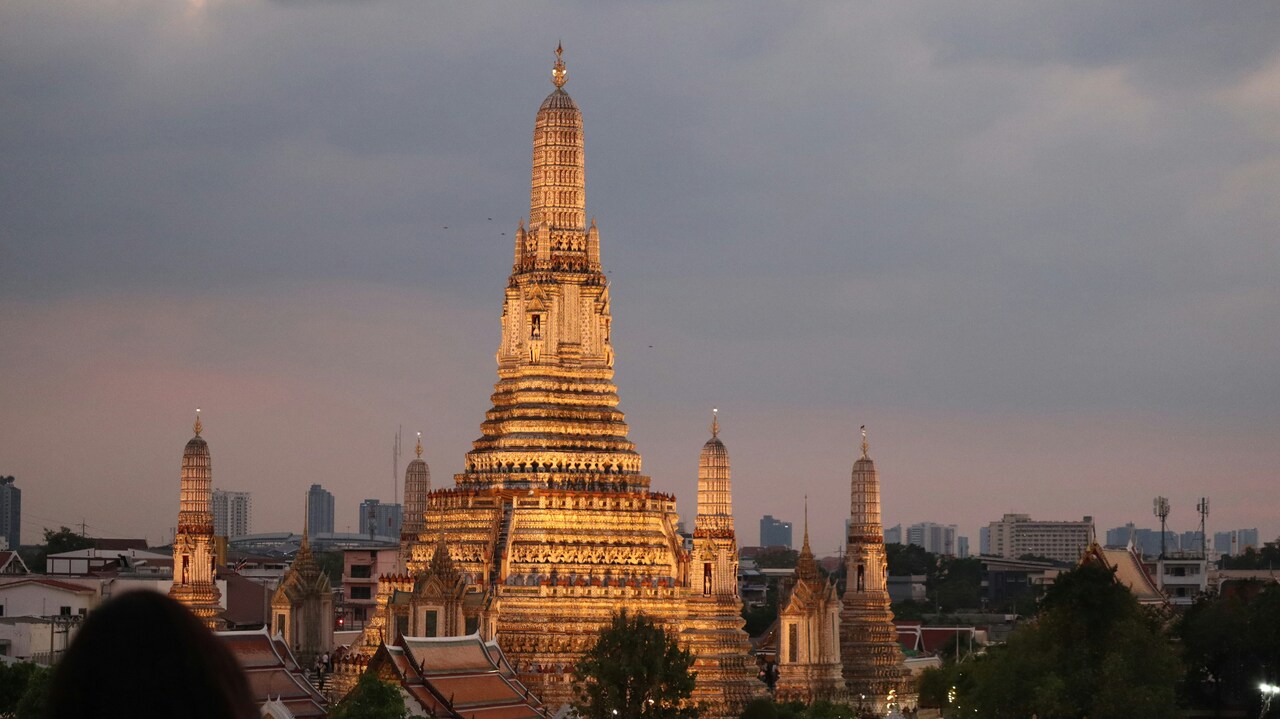
Bangkok
Bangkok is one of the easiest places in Thailand to navigate as a first-time visitor, with extensive BTS Skytrain and MRT networks, hotels, hospitals, restaurants, and tourist infrastructure. As with any major city, keep an eye on your belongings in crowded places and be cautious with taxis and tuk-tuks.

Chiang Mai
Chiang Mai is popular for temples, food, markets, and northern Thailand. The main concerns are generally practical, so if you're heading into the mountains or taking part in outdoor activities, pay attention to weather conditions and local advice.
Tim, our Under30Experiences Regional Manager who has lived in Northern Thailand for more than a decade:
"Any traveler visiting Chiang Mai should take a day to visit an ethical elephant sanctuary. Elephants are Thailand's national symbol and have been revered throughout the country's history. Visiting a sanctuary lets you interact with these incredible animals while supporting their conservation, and it's a rare opportunity to see elephants back in their home environment."

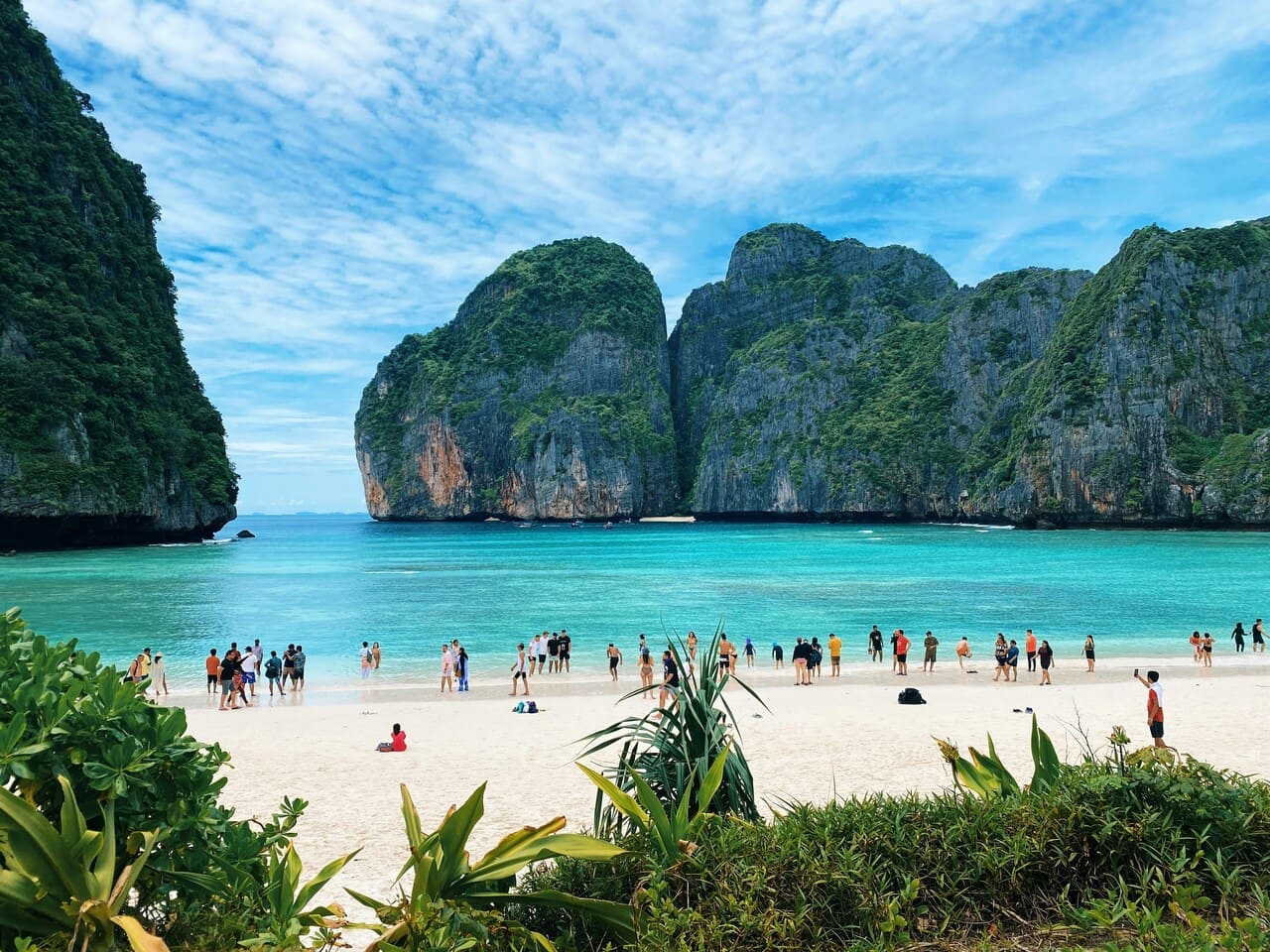
Phuket and Krabi
Phuket and Krabi are popular beach destinations. Most visitors should focus on water and boat safety, sun exposure, and normal nightlife precautions.
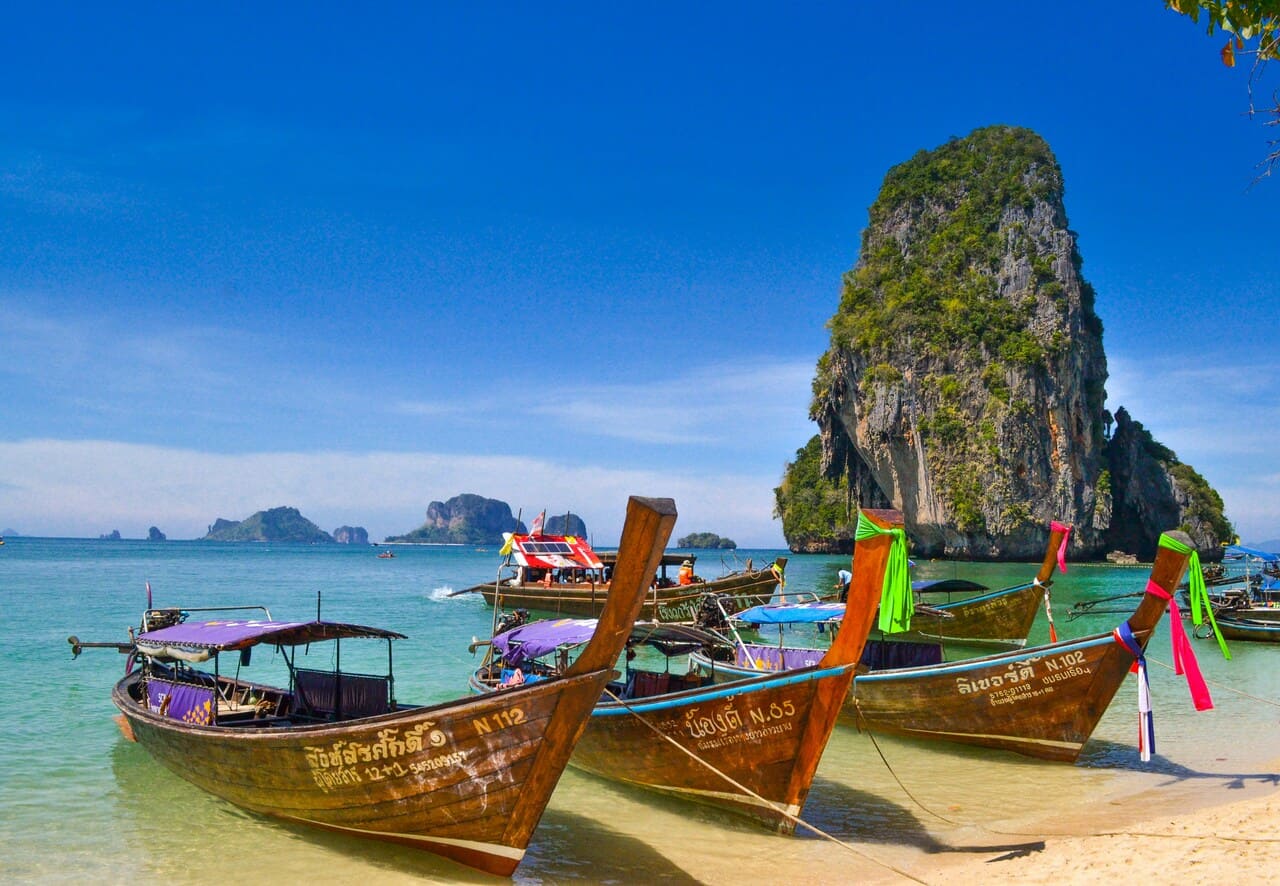
Thailand's Islands
Koh Samui, Koh Phangan, Koh Tao, Koh Chang, and other major islands remain popular with international travelers.
When traveling between islands, use reputable ferry operators, check weather conditions, and avoid boats that appear overloaded, particularly during busy periods.

Which Areas of Thailand Should You Avoid?
The two areas that deserve the most attention are parts of the Thai-Cambodian border and parts of Thailand's deep south.
The Thai-Cambodian border situation is particularly important because fighting escalated in 2025, and current travel advisories continue to warn of armed conflict and rapidly changing security restrictions. Thai authorities may establish security exclusion zones with little notice, and the UK currently advises against all but essential travel within 20 kilometers of the land border.
Yala, Pattani, and Narathiwat also have separate travel warnings due to ongoing security concerns.
For a typical Bangkok, Chiang Mai, Phuket, Krabi, or island itinerary, these areas are not part of the usual tourist route.
What Are the Real Safety Risks in Thailand?
For tourists, road safety is a major practical concern in Thailand, particularly when renting a motorbike or scooter.
Thailand has significant road traffic risks, and tourists can get into serious accidents when they rent motorcycles without proper experience, licensing, helmets, or insurance coverage.
Motorbikes and Scooters
This is the safety issue I would take most seriously.
Renting a scooter can look like an easy way to explore, but unfamiliar roads, traffic, weather, and other drivers can quickly turn a short ride into a serious accident.
If you don't regularly ride motorcycles at home, you don't suddenly become an experienced rider because you're on vacation.
Always wear a helmet if you're riding, and make sure you have the correct motorcycle license and insurance coverage.
Your travel insurance may not cover an accident if you were riding illegally or without the appropriate license.
This is one place where following local advice and knowing your insurance policy before getting on a scooter can make a major difference.
Petty Theft and Bag Snatching
Petty theft can happen in crowded tourist areas.
You don't need to constantly worry about your belongings, but keep your phone, wallet, and passport secure.
Bag snatching from passing motorbikes is another reason not to carry your phone loosely while standing near busy roads.
Nightlife and Drink Spiking
Nightlife areas in places such as Bangkok, Phuket, Pattaya, and the islands can be busy and generally safe, but travelers should still take normal precautions.
Don't accept drinks from strangers, don't leave your drink unattended, and be cautious about accepting unknown substances.
Drink spiking and drug-assisted sexual assault can occur in tourist nightlife areas.
Is Thailand Safe for Solo Female Travelers?
Yes. Thailand is generally considered a safe destination for solo female travelers, particularly along the main tourist route. Women travel independently throughout Bangkok, Chiang Mai, Phuket, Krabi, Koh Samui, and other popular destinations every day, but normal precautions around transportation, nightlife, belongings, and unfamiliar situations still apply.
I’ve met plenty of women traveling independently in Thailand, and the country's established tourism infrastructure makes it relatively easy to meet other travelers and get around.
We also spoke with Diana Luciana, a solo female traveler who spent 6 months in Thailand, about her experience.
"What I love most about Thailand is how friendly, kind, and respectful the people are. It's easy to feel at home, and I found it to be one of the most comfortable countries to travel thanks to its easy navigation and transportation. And if there's one thing you absolutely shouldn't miss, it's the food. I completely fell in love with mango sticky rice, and it's still one of my favorite things I've ever eaten."
For solo female travelers, a few simple habits are worth following:
- Use reputable transportation such as Grab when available.
- Keep your accommodation information saved on your phone.
- Avoid isolated areas late at night.
- Keep valuables secure and be careful with alcohol.
If you'd like a more personal account of what solo female travel in Thailand is actually like, read our Solo Female Thailand Travel Experience.
What Scams Should You Be Aware Of?
Tourist scams are common enough that it's worth knowing the most common ones before you arrive.
The "It's Closed" Scam
Someone may tell you a temple or attraction is closed and offer to take you somewhere else.
They may then bring you to a gem shop, tailor, or another business where they're expecting a commission.
If someone approaches you unexpectedly with information about an attraction being closed, verify it yourself before changing your plans.
Tuk-Tuk and Taxi Overcharging
Tuk-tuks are part of the Thailand experience, but prices can vary widely.
Agree on the price before getting in, or use a metered taxi or app-based ride where possible.
Grab is particularly useful because you can see the price before accepting the ride.
Gem and Tailor Scams
Be cautious if someone promises an unusually good deal on gems, jewelry, or custom clothing.
Thailand has legitimate jewelers and tailors, but tourists are sometimes targeted with high-pressure sales tactics.
Jet-Ski and Motorbike Rental Scams
Before renting anything, photograph the vehicle from multiple angles and document existing damage.
This is particularly important with jet skis and motorbikes, where disputes over scratches or damage can become expensive.
Never hand over your passport as security if you can avoid it.
What's the Safest Way to Get Around Thailand?
Reputable taxis, Grab, Bangkok's BTS and MRT, domestic flights, and established ferry operators are generally safer choices than renting a motorbike if you aren't an experienced rider.
Getting Around Bangkok
The BTS Skytrain and MRT are some of the easiest ways to get around Bangkok.
They're useful for avoiding traffic and connecting major neighborhoods and attractions.
Grab is another convenient option when public transportation doesn't make sense.
Taxis and Tuk-Tuks
Use official taxis and make sure the meter is running when appropriate.
With tuk-tuks, agree on the price before you leave.
If the driver starts offering an elaborate itinerary of attractions, shops, or "special" deals, that's usually a reason to politely decline.
Domestic Flights
Flying makes sense for long distances between Bangkok and destinations such as Chiang Mai, Phuket, or the southern islands.
Ferries
When traveling between islands, choose established ferry operators and check weather conditions before departure.
What Local Laws Should Travelers Know?
Thailand has laws that can surprise visitors, particularly around the monarchy, cannabis, drugs, and vaping.
Respect the Thai Monarchy
Thailand's lèse-majesté laws are serious.
Criticism or perceived insults toward the monarchy can have severe legal consequences. Travelers should avoid making jokes, comments, social media posts, or other statements that could be interpreted as disrespectful toward the monarchy.
Treat images of the royal family and Thai national symbols with respect.
Cannabis Laws
Thailand's cannabis rules have tightened significantly since 2022. Since June 23, 2025, cannabis flower has been classified as a controlled substance, and recreational use remains illegal. Tourists should not buy, possess, or use cannabis flower without a valid Thai-issued medical prescription. Medical use is limited to what is necessary for treatment and cannot exceed a 30-day supply.
Vaping and E-Cigarettes
Vaping and possession of e-cigarettes are illegal in Thailand.
There is no general tourist exception, so don't assume you can bring your vape through the airport or use it while you're there.
Drugs
Thailand has strict drug laws and serious penalties.
Never carry drugs for someone else, accept unknown substances, or assume that something legal in your home country is legal in Thailand.
Are There Natural Disasters or Seasonal Risks?
Thailand's main seasonal risks are heavy rain, flooding, extreme heat, rough seas, and strong currents. Weather varies by region, so check conditions for your destinations.
Rainy Season and Flooding
The rainy season can bring heavy rainfall, flash flooding, landslides, and travel disruptions.
If you're heading to waterfalls, caves, mountains, or other outdoor attractions, check local conditions before setting out.
Heat and Sun
Thailand can be extremely hot and humid, so drink plenty of water, use sunscreen, and take breaks during long sightseeing days.
Beaches and Ocean Safety
Don't underestimate the ocean.
Strong rip currents, rough seas, and box jellyfish can also pose seasonal risks in some Gulf of Thailand waters, so follow local beach warnings and avoid swimming when authorities advise against it.
If you're scuba diving, use reputable dive operators and make sure your travel insurance covers the activities you're planning.
What Health Risks Should Travelers Know About?
Most travelers can enjoy Thailand without major health problems, but mosquito-borne diseases, food and water hygiene, heat, and animal bites still require attention.
Can You Drink Tap Water in Thailand?
Tourists should stick to bottled or properly filtered water, which is inexpensive and widely available.
Mosquitoes and Dengue
Dengue is present in Thailand, and mosquito bites can also transmit other diseases.
Use insect repellent, wear appropriate clothing, and take extra precautions when spending time outdoors.
Food Safety
Thai food is one of the reasons I love returning to Thailand, and if you're interested in trying it for yourself, check out our Bangkok street food guide.
You don't need to avoid street food.
A few simple habits help:
- Choose busy stalls with high turnover.
- Eat food that's cooked fresh.
- Wash your hands before eating.
- Be cautious with raw or undercooked food.
- Drink bottled or filtered water.
Rabies
Rabies is present in Thailand, particularly among dogs and other mammals.
Don't approach unfamiliar animals, even if they appear friendly. If you're bitten or scratched, seek medical attention immediately.
What Are the Emergency Numbers in Thailand?
Save these emergency numbers before your trip:
- 191: Police
- 1669: Medical emergency and ambulance
- 1155: Tourist Police
- 199: Fire and rescue
The Tourist Police specifically assist international visitors.
If you have an emergency, move somewhere safe first and contact the appropriate service.
Where Should Tourists Go for Medical Care?
Thailand has a strong private healthcare system, particularly in Bangkok and major tourist destinations.
In Bangkok, well-known hospitals used by international travelers include Bumrungrad International Hospital, Samitivej Sukhumvit Hospital, Bangkok Hospital, and BNH Hospital. Chiang Mai options include Chiangmai Ram Hospital and Lanna Hospital, while Bangkok Hospital also operates facilities in major tourist destinations.
If you take prescription medication, bring enough for your trip and keep it in its original packaging.
Do You Need Travel Insurance for Thailand?
Yes. Travel insurance is strongly recommended, especially if you plan to ride a motorbike, scuba dive, or take part in other activities. Read the policy exclusions carefully.
Many travel insurance policies exclude motorcycle accidents if you don't hold the required license or are not complying with local laws. Policies can also exclude or invalidate coverage when you travel against a government "do not travel" or equivalent advisory, so check your policy before entering restricted areas.
Should You Travel to Thailand?
Yes. For most travelers, Thailand is a safe destination, and the current Level 1 advisory reflects that. The stronger warnings apply to specific areas largely outside the main tourist route.
After traveling to Thailand twice, safety wouldn't be the reason I would tell someone not to go. I would tell you to take road safety seriously, watch for scams, protect yourself from mosquitoes and the heat, and understand local laws before you arrive.
Are Group Trips to Thailand Safe?
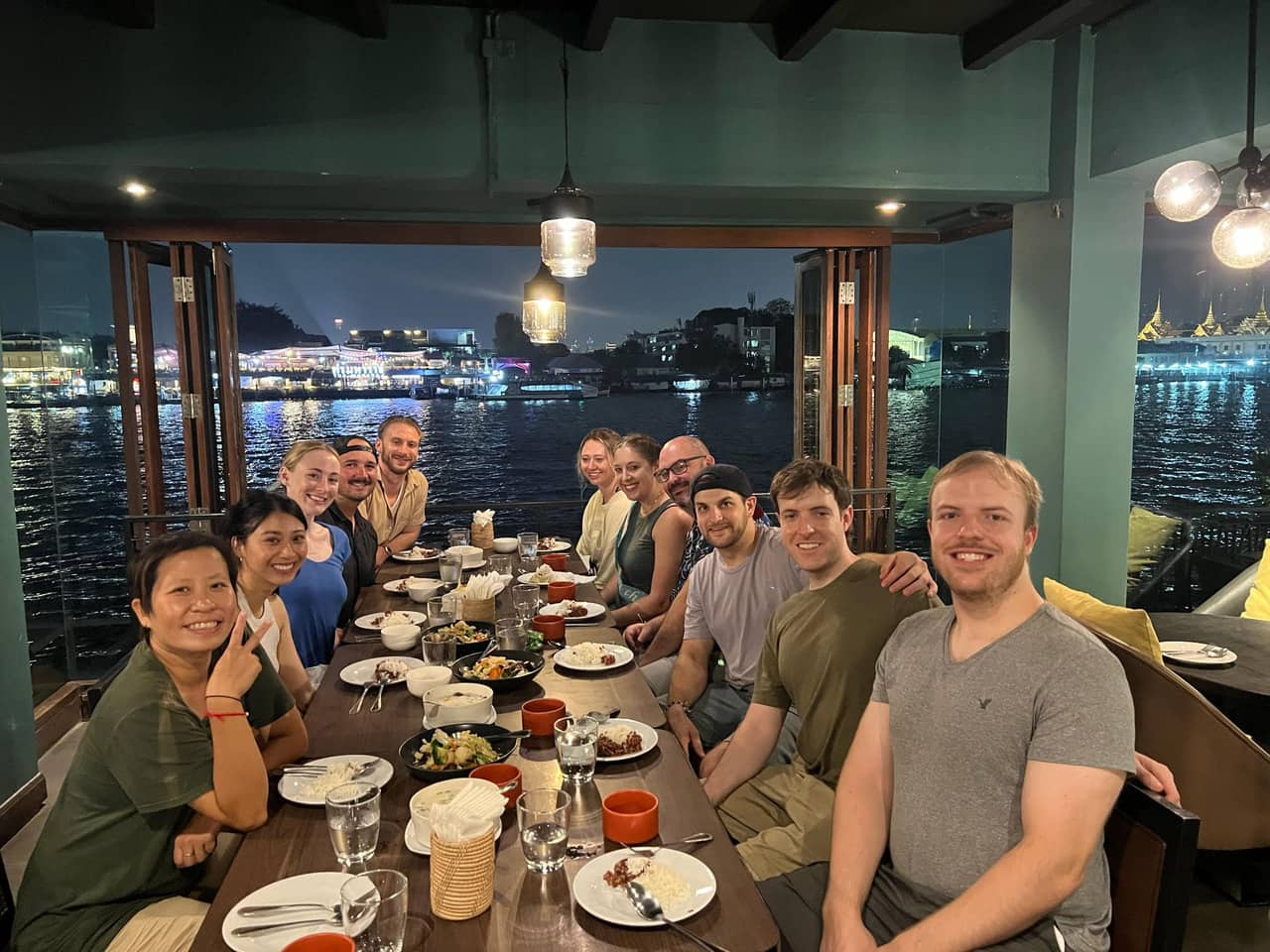
Yes. Group travel can be an easy way to experience Thailand if you're visiting for the first time or don't want to handle transportation, accommodations, and logistics yourself.
Our Under30Experiences Thailand trip starts in Bangkok and gives you a structured way to experience Thailand while still leaving room for the food, markets, temples, beaches, and local experiences that make the country worth visiting.
If you're planning your own itinerary, you can also explore our Thailand packing guide, Bangkok city guide, Bangkok layover guide, and Thailand islands guide.
Frequently Asked Questions
Is Thailand safe for tourists?
Yes. Thailand is generally safe for tourists, and the country is currently rated Level 1 by the U.S. State Department, meaning travelers should exercise normal precautions. Most visitors can safely travel to popular destinations such as Bangkok, Chiang Mai, Phuket, Krabi, and Koh Samui while staying aware of road safety, scams, and local travel warnings.
Is Thailand safe for solo female travelers?
Yes. Thailand is generally safe for solo female travelers. Women travel independently throughout the country every day, particularly along the main tourist route. Normal precautions around transportation, nightlife, belongings, and isolated areas are still important.
Is Thailand safe for solo travelers?
Yes. Thailand is one of the easier countries in Southeast Asia to travel through independently. The biggest challenges are usually transportation, logistics, roads, nightlife, and unfamiliar situations.
Is Thailand safe at night?
In most major tourist areas, yes. Bangkok, Chiang Mai, Phuket, and the major islands have active nightlife and tourism infrastructure. Stay aware of your surroundings, use reputable transportation, and be particularly careful with alcohol and unattended drinks.
Is Bangkok safe for tourists?
Yes. Bangkok is generally safe for tourists and has extensive transportation, hotels, restaurants, hospitals, and tourism infrastructure. The main concerns are traffic, petty theft, scams, and the normal risks associated with a large city.
Is it safe to rent a scooter in Thailand?
Only if you are an experienced motorcycle rider with the correct license, helmet, and appropriate insurance coverage. Road accidents are one of the biggest practical risks for tourists in Thailand, so inexperienced riders should consider other transportation options.
What areas of Thailand should tourists avoid?
Travelers should avoid areas covered by current government travel warnings, particularly parts of the Thai-Cambodian border and areas of the deep south including Yala, Pattani, and Narathiwat. Check the latest advisory before traveling because conditions can change.
Can you drink tap water in Thailand?
Most travelers choose bottled or properly filtered water instead of drinking tap water directly. Bottled water is inexpensive and widely available throughout the country.
What are the most common scams in Thailand?
Common scams include tuk-tuk and taxi overcharging, claims that attractions are closed, gem and tailor scams, and disputes involving jet skis or rental motorcycles. Agree on prices beforehand and use reputable transportation and rental companies.
What are the emergency numbers in Thailand?
Call 191 for police, 1669 for medical emergencies, 1155 for Tourist Police, and 199 for fire and rescue.
Is cannabis legal in Thailand?
Thailand's cannabis rules have tightened significantly. Cannabis flower is currently controlled, and recreational use is not freely legal. Tourists should check current Thai government rules before purchasing or using cannabis.
Experience Thailand With Confidence
If you're wondering, "Is Thailand safe?" the answer for most travelers is yes.
My advice is simple: take road safety seriously, understand the local rules, watch for common scams, and check current travel warnings before you go.
Thailand's main tourist destinations remain outside the areas covered by the strongest travel warnings. If you don't want to handle every hotel, transfer, activity, and transportation connection yourself, traveling with a group can make the experience easier.
Ready to see Thailand for yourself?
Explore the Under30Experiences Thailand trip.