.avif)




Yes, Peru is safe for most travelers who take sensible precautions. The main risks include petty theft in cities, protests that disrupt transportation, and altitude sickness in destinations like Cusco. Check current travel advisories, avoid restricted areas, use trusted transportation, and allow time to acclimatize before hiking or visiting high-altitude attractions.
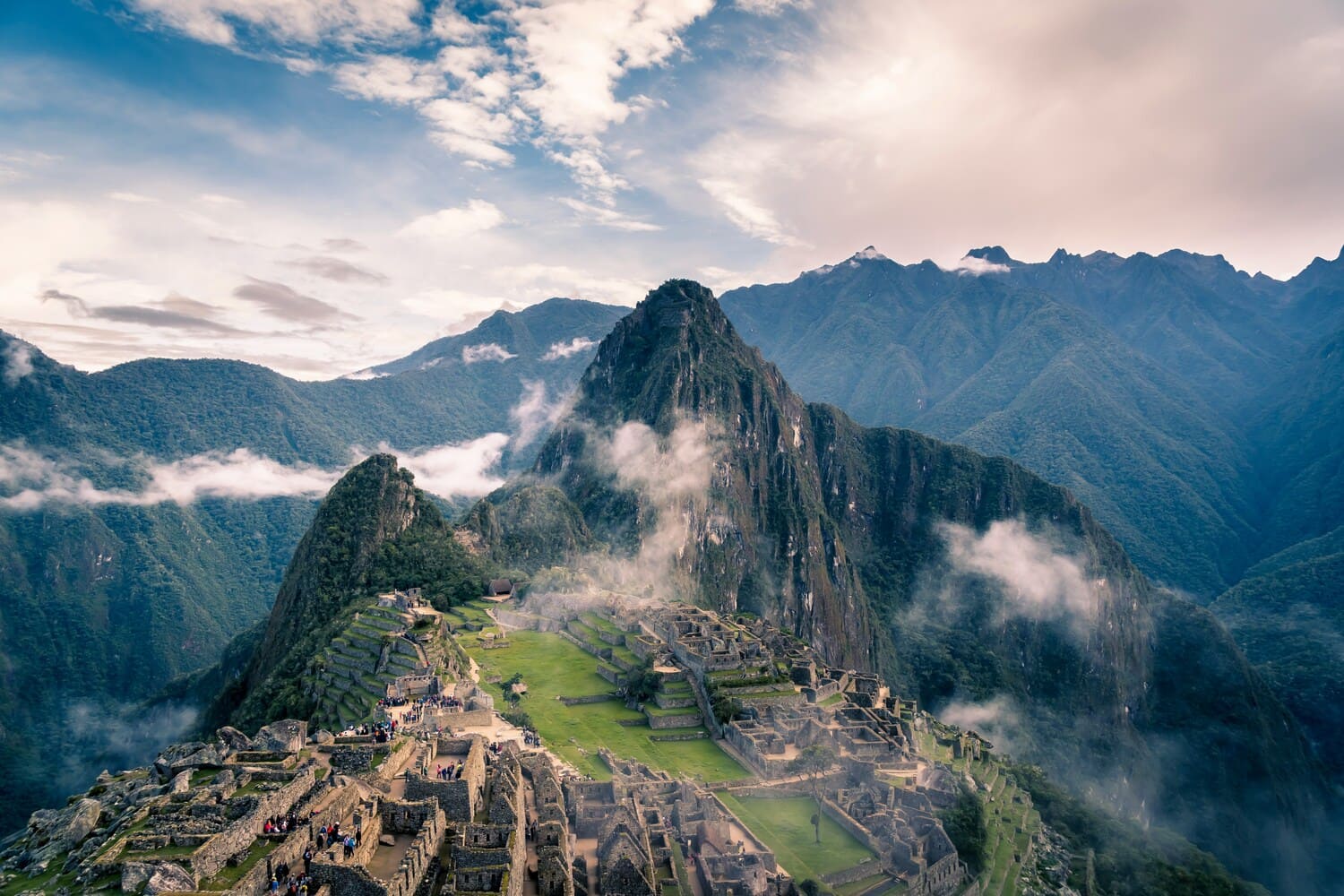
I keep sending travelers to Peru because Cusco is one of the most beautiful cities in the world, shaped by Quechua culture and Inca history you can see on every street, and the Sacred Valley and Machu Picchu, one of the New Seven Wonders of the World, are right on its doorstep.

1. Why you can trust this guide
I have been to Peru many times running and traveling on Under30Experiences trips, including hiking the Inca Trail.
Under30Experiences has run Peru trips since 2017, and we’ve led hundreds of travelers through the country since then.
This guide also uses current information from the US State Department, the UK Foreign, Commonwealth and Development Office, the Government of Canada, the Centers for Disease Control and Prevention, and Peruvian government sources. Because safety conditions can change, check the current government advisories before you leave.
Our team in Peru is led by Roland who manages logistics in Peru. He is Peruvian, has written our Lima and Cusco guides, and always updates me on what travelers can expect in Peru right now. He’s a licensed guide and has been to Machu Picchu over 1,000 times and has hiked the Inca Trail more than 350 times!
2. Is Peru safe right now?
Peru is currently a Level 2 destination on the US State Department's travel advisory system, meaning travelers should exercise increased caution. The current advisory, dated September 4, 2026, cites crime, unrest, kidnapping, and terrorism as risks. It warns that crime is common, that the risk increases at night, and that crime often happens even in daylight hours and with many witnesses around.
The UK and Canadian governments also advise travelers to exercise increased caution in Peru and highlight crime, social conflict, strikes, and regional security risks.
Peru's political situation can also affect travel plans. Political events and protests can sometimes block roads, public transportation, and rail lines, creating disruptions for travelers. These disruptions can affect tourists even when the protest itself is unrelated to tourism.
Lima and Callao have faced serious security concerns related to crime and extortion. Check current official guidance before departure, as security measures and conditions can change.
Lima and Cusco feel safe in the main tourist areas, although conditions can be different elsewhere. Roland, who manages logistics in Peru for Under30Experiences, explains:
“The tourist areas in Lima, like Miraflores, Barranco, and the historic center, are safe, and the extortion cases you hear about in the news aren’t happening there. Outside those areas it can be less safe. Cusco is calm in the tourist areas too, and we don’t have major problems there. Overall, things are good where travelers go, and the government works to protect those areas.”
Do not ignore current events when traveling in Peru. Check the latest advisory before leaving, monitor local conditions during your trip, and leave extra flexibility in your itinerary in case protests affect transportation.
3. Which areas of Peru should travelers avoid?
The US State Department identifies several areas where travelers should not go because of crime or terrorism risks. These include the Colombia-Peru border area in the Loreto Region; the Valley of the Apurímac, Ene, and Mantaro Rivers, commonly called the VRAEM; and Abancay, Ayacucho, Huancavelica, and Huancayo within the regions specified in the advisory.
The city of Cusco and popular tourist sites nearby, including the Sacred Valley, the Inca Trail, and Machu Picchu, are not located in the affected areas. The US government says it cannot provide emergency services to US citizens in the VRAEM.
4. Is Lima safe?

Lima is a large city, so where you stay, how you get around, and when you are out all matter.
Miraflores, Barranco, and San Isidro are common bases for visitors. The historic center is also worth visiting, particularly during the day, but travelers should pay attention to their surroundings and avoid wandering into unfamiliar areas after dark.
Stick to the main tourist areas, and take a taxi back to your accommodation when possible after dark, especially in Barranco.
Phone snatching is one of the most practical risks to plan around. Travelers can have phones snatched by people on motorcycles or through open vehicle windows. Keep your phone away from the curb and avoid holding it out unnecessarily when you are walking or waiting in traffic.
At Jorge Chávez International Airport, use Uber or the official Taxi Green service, and don’t accept rides from people who approach you in the arrivals area.
If you are spending time in Lima before or after Machu Picchu, read our Lima city guide for more practical information about getting around and what to see.
5. Is Cusco safe?

Cusco is a major tourist destination where visitors should use normal precautions. The main problems travelers are likely to encounter are pickpocketing in crowded areas, unlicensed taxis late at night, and people selling fake or overpriced tours.
Crowded places such as San Pedro Market, Plaza de Armas, and busy festivals require the same attention you would use in any crowded tourist area. Keep your phone and wallet secure and avoid putting valuables in an easily accessible outer pocket.
The Sacred Valley towns are also accustomed to international travelers. Aguas Calientes, the town below Machu Picchu, is another common stop. It is generally calm, but it can become crowded when transportation is disrupted.
Roland Llave, who manages logistics in Peru for Under30Experiences, says:
“The biggest problem we see with people traveling on their own is that they get lost. They leave the main trail on a hike, end up without enough food or water, and get into serious trouble. That happens most with backpackers. With our groups, the most common issue is altitude sickness on the first day, or travelers who arrive a few days early, eat something that wasn’t cooked properly or prepared cleanly, and get sick.”
Avoid paying for photos with baby llamas or lambs. Using young animals as tourist props is an unethical practice, so skip these photo opportunities.
For more practical information, read our Cusco guide.
6. Is Machu Picchu safe?

Machu Picchu itself is a closely managed archaeological site. The bigger safety concern for travelers is usually the logistics of getting there and back.
Protests can affect railway and road connections around Aguas Calientes. In September 2025, protests over the bus service to Machu Picchu disrupted rail service, temporarily stranding about 900 tourists and leading to the evacuation of roughly 1,400 people. Additional blockades followed later that year. Disruptions farther along the route can prevent travelers from reaching Machu Picchu or returning to Cusco.
Build some flexibility into your itinerary if you are traveling independently. Follow updates from the railway company operating your service, and avoid planning a flight immediately after your Machu Picchu visit if you have no room for a delay.
Roland Llave, who manages logistics in Peru for Under30Experiences, explains how the team handles disruptions:
“The bus dispute hasn’t been fully resolved. The Peruvian government still hasn’t opened a permanent solution or looked at alternatives like a cable car, so there have only been temporary fixes, and more protests are possible. When the train tracks are blocked, we change the itinerary and find an alternate route to Machu Picchu. Our contacts in the area keep us informed, so we can often see problems coming. The most important thing is keeping our travelers in safe areas and away from these situations.”
Tickets are another part of planning a safe Machu Picchu visit because unofficial sellers can create unnecessary problems. Machu Picchu tickets are managed through the Peruvian government's official ticketing platform, TuBoleto. Visitors select their circuit, route, date, and entry time when booking, and a passport or other accepted identification is required.
Machu Picchu uses timed entry, designated circuits, and visitor capacity limits. Buy tickets through official channels rather than purchasing them from someone selling tickets on the street.
For more details, see how Machu Picchu tickets work.
The site itself also has physical hazards. Machu Picchu and the surrounding mountains include steep stairs, uneven surfaces, and exposed areas. Huayna Picchu and Machu Picchu Mountain require additional care because of the elevation and steep terrain.
Traveling with Under30Experiences
Logistics in Peru can be challenging, partly because protests and strikes are common here. Rail closures rarely affect our trips, but we always ask travelers to keep in mind that the itinerary can change. We have never had a group miss Machu Picchu, and our team on the ground in Peru is a big part of that.
7. Is the Inca Trail safe?

The classic Inca Trail is not a hike you can simply show up and walk independently. Permits are limited, and travelers must use an authorized operator with the required guides and support staff.
That structure gives travelers required support on a trail with significant altitude, terrain, and weather risks. The main risks are altitude, steep and uneven stone steps, cold nights, changing weather, and the physical demands of a multi-day hike.
Dead Woman's Pass reaches about 13,800 feet (4,200 m), which is considerably higher than Cusco. Altitude can affect people regardless of their age or fitness level, so acclimatization matters.
The classic Inca Trail also closes every February for maintenance.
Hiking the Inca Trail was one of the best experiences of my life. We’re grateful that both our Peru trips include a sustainability project with an Indigenous farming community in the Sacred Valley. The project gives local families an additional source of income and gives our travelers a cultural experience they couldn’t easily arrange on their own.
If you are preparing for the hike, read our Inca Trail packing list.
You can also learn more about our Inca Trail trip for solo travelers 21 to 35.
8. Common scams in Peru
Most travelers do not need to spend their trip worrying about elaborate scams. A few simple precautions cover many of the situations visitors are likely to encounter.
Counterfeit bills and coins: Check your change when making purchases, especially with larger bills, and learn how to identify genuine Peruvian soles before your trip.
Taxi overcharging and unofficial taxis: Use an established taxi service or ride app instead of accepting a random taxi, particularly at night.
Distraction theft: Someone may spill something on your clothes, ask for directions, or create another distraction while an accomplice takes your belongings. Keep your bag closed and stay aware of your valuables.
Fake or overpriced tours and Machu Picchu tickets: Do not buy important tickets or excursions from random sellers on the street. Use official ticket platforms and established operators.
ATM skimming: Use ATMs inside banks, shopping centers, or other secure locations when possible. Cover your PIN and check the machine for anything that looks unusual.
9. Getting around Peru safely
Getting around Peru safely means choosing established transportation and avoiding unnecessary risks.
For getting around Lima, Roland Llave, who manages logistics in Peru for Under30Experiences, says:
“In Lima, the app most travelers use is Uber. It’s safe and familiar to most people, and the other apps aren’t as widely used. For airport pickups, we sometimes recommend Taxi Green, the airport taxi service.”
Avoid hailing taxis on the street at night in Lima. The State Department notes that express kidnappings, in which a victim is forced to withdraw money from their own accounts, are rare but do occur. That is the main reason to use ride apps or official taxis instead of hailing cars on the street.
Long-distance buses are common in Peru, but travelers should use established companies and keep valuables with them. Avoid traveling by road at night outside cities where you can. The State Department notes that criminal groups sometimes set up roadblocks to rob travelers outside Lima, and bars its own staff from nighttime driving outside a few routes, though they may use commercial buses at night on the Lima-Arequipa-Cusco corridor.
Trains operated by PeruRail and Inca Rail are the main transportation options for travelers heading to Machu Picchu by rail. Check your train status before leaving for the station because protests, weather, and other disruptions can affect service.
Domestic flights can save considerable time when traveling between Peru's major destinations, so consider flying when it makes sense for your itinerary.
10. Altitude: the risk travelers underestimate
Altitude is one of the biggest risks travelers underestimate in Peru. Cusco sits at about 11,150 feet (3,400 m), Rainbow Mountain is around 17,000 feet (5,200 m), and Machu Picchu is lower at about 7,970 feet (2,430 m). Altitude illness can develop after arriving in Cusco, even if you feel fine at sea level. The CDC identifies Cusco as a destination where travelers are at risk because of its elevation.
Give yourself time to acclimatize after arriving. Take it easy during your first couple of days and avoid immediately filling your schedule with strenuous activities.
Coca tea and coca candy are widely offered in Peru as a remedy for altitude symptoms. The US State Department advises US citizens not to use coca products because coca is a controlled substance and can interact with other medications. Talk to your doctor about altitude options before you go.
If symptoms become severe, descending to a lower elevation and seeking medical care may be necessary.
For practical packing advice, see what to pack for the altitude.
Roland Llave, who manages logistics in Peru for Under30Experiences, explains how the trips account for altitude:
“We tell travelers that altitude sickness is normal for people arriving in Cusco, and that everyone adjusts over the first few days, so there’s no need to be afraid of it. If your doctor at home recommends Diamox, it can help, but your body still has to adapt. That’s why we designed our trip so the highest places come later, and the first day or two are for getting used to the altitude in Cusco.”
11. Food and water
Do not drink untreated tap water in Peru. Stick with bottled or properly filtered water, and use safe water when brushing your teeth if you are unsure about the local supply.
Food safety is mostly about choosing places with good food-handling practices and steady customer turnover. Eat street food at your own risk, and be more careful with it than you would at a restaurant. For ceviche, go to popular restaurants where you know the fish is fresh.
Travelers heading outside the main tourist areas should also remember that food and water conditions can vary. The CDC recommends careful food and water practices for travelers visiting areas where sanitation and water quality may be limited.
12. Earthquakes and the rainy season
Peru is in an active earthquake zone, so travelers should know the basic response before arriving. If an earthquake happens, follow local instructions, move away from damaged structures, and avoid returning to a building until authorities say it is safe.
Rain can create a more common travel problem than earthquakes. The rainy season in the Andes generally runs from November through April, and heavy rain can cause landslides, mudslides, road closures, and interruptions to rail service.
The routes around Cusco and Machu Picchu can be affected by heavy rain, particularly when roads or rail lines are damaged.
If you are traveling during the rainy season, leave room in your schedule for transportation delays and check local conditions before starting a long journey.
13. Is Peru safe for solo female travelers?

Yes. Peru is a good destination for solo female travelers who take the same precautions they would in any big city.
Catcalling can happen, particularly in busy urban areas. Staying in well-reviewed accommodation, using ride apps at night, and avoiding walking alone in unfamiliar areas after dark can reduce unnecessary risks.
Miraflores and Barranco are common choices for travelers staying in Lima, while central Cusco provides easy access to the city's main tourist areas. Choose accommodation with strong recent reviews and clear check-in procedures.
Nightlife requires another layer of awareness. Keep control of your drink, do not leave it unattended, and arrange your transportation home before you start drinking.
If you want more general advice, see our solo travel safety tips.
Our things to do in Peru article also includes a firsthand account from Laura Bryan, a solo female traveler who said she felt safer in Peru than anywhere else she visited in Latin America. That is one traveler's experience rather than a guarantee about every destination or situation.
14. Is Peru safe for LGBTQ+ travelers?
Consensual same-sex sexual relations are legal in Peru, but same-sex marriage and civil unions are not legally recognized. The US State Department also notes that societal discrimination against gay and lesbian people remains a concern.
Lima, particularly areas such as Miraflores and Barranco, tends to be more socially open than many rural areas. Travelers should still use their judgment about public displays of affection and local surroundings, particularly outside major tourist centers.
LGBTQ+ travelers should review current country-specific guidance before traveling because laws, local conditions, and recommendations can change.
15. Nightlife, drugs, and ayahuasca
Nightlife is concentrated in areas such as Barranco and Miraflores in Lima, with plenty of restaurants, bars, and clubs. The same precautions that apply elsewhere are important here: keep an eye on your drink, stay with people you trust, and use a ride app or arranged transportation to get home.
Drug laws in Peru are another reason to avoid taking risks. Penalties for drug offenses can be serious, and buying drugs from strangers creates additional risks of robbery, scams, or arrest. Do not assume that a substance being common in a tourist area means it is legal or safe.
The US State Department advises US travelers not to consume ayahuasca or kambo. US citizens have suffered serious illness and, in some cases, died after taking them, and some have been sexually assaulted, injured, or robbed while under the influence. Ceremony centers operate across Peru, including in tourist areas such as Cusco. Under30Experiences trips do not include ayahuasca or kambo.
16. Health care, insurance, and emergencies
Travel insurance is worth having for Peru because some of the country's biggest travel risks involve transportation disruptions, altitude, trekking, and medical care away from major cities.
Private clinics in Lima and Cusco are commonly used by international travelers, but medical resources become more limited as you move into remote areas and higher elevations.
Save the local emergency numbers before your trip. Peru's government lists 105 for the national police, 106 for SAMU emergency medical services in covered regions, and 116 for the fire service.
You can also contact iPerú, Peru's official tourist information and assistance service. iPerú provides free assistance to travelers and is available 24 hours a day through its phone and WhatsApp channels.
For US citizens, the US Embassy in Lima provides 24-hour emergency assistance at +1 618-2000 from within Peru. The US Consular Agency in Cusco also provides consular services. Check the embassy website for current contact details before departure.
Traveling with Under30Experiences
Our Peru trips require travelers to have travel insurance with at least $200,000 USD in medical coverage. We also recommend registering with the US State Department's Smart Traveler Enrollment Program, or STEP, before traveling.
17. Is a group trip safer in Peru?
A group trip can remove some of the logistics that make independent travel in Peru more complicated, particularly if this is your first visit.
On an Under30Experiences Peru trip, airport pickup is included when you arrive in Cusco, and a Trip Leader stays with the group throughout the itinerary. Local guides handle destination-specific experiences, hotels are vetted, and the itinerary is structured with the altitude in mind.
Transportation disruptions are another practical reason a group can be useful. If a protest or rail closure affects a planned connection, having someone responsible for the itinerary can make it easier to work through the alternatives rather than trying to solve everything yourself.
The classic Inca Trail also requires a licensed operator, so this is already a structured experience rather than a hike you can arrange completely independently.
Both Under30Experiences Peru trips are seven days and start and end in Cusco. They include airport pickup and have small groups capped at 15 travelers. Travelers must be 21 or older, with most travelers between 21 and 35.
Peru is hard to do well on your own: buses, trains, Machu Picchu tickets, and Inca Trail permits all have to be coordinated, and many of them sell out far in advance. You can’t just show up and expect to get into Machu Picchu. Entry is timed and capped; the classic Inca Trail can only be hiked with a licensed operator and guide, and Peru’s official visitor guidelines encourage touring the citadel with a licensed guide. On our trips, a local guide takes you through Machu Picchu.
If Machu Picchu is your priority, see our 7-day Machu Picchu & Peru trip.
If hiking the Inca Trail is the experience you want, see our Inca Trail trip for solo travelers 21 to 35.
18. So, is Peru safe?
Yes, Peru is safe for most travelers who take normal big-city precautions. The biggest risks are phone and bag theft in Lima, protests that can disrupt roads and trains with little warning, and altitude in Cusco. The areas the US government says not to visit are outside the main tourist route.
Check current government advisories, keep your belongings secure, use established transportation, leave flexibility around Machu Picchu, and give yourself time to acclimatize in Cusco.
If you're a solo traveler in your 20s or 30s and want to see Machu Picchu without handling the logistics yourself, our 7-day Machu Picchu & Peru trip and our Inca Trail trip for solo travelers 21 to 35 start and end in Cusco with airport pickup, a Trip Leader, and an itinerary built around the altitude.
Frequently Asked Questions
Is Peru safe to visit right now?
Peru is currently a Level 2 destination on the US State Department's travel advisory system, meaning travelers should exercise increased caution. The main risks for tourists include petty crime, protests and transportation disruptions, and altitude in high-elevation destinations such as Cusco. Travelers should also avoid the specific areas listed in current government advisories.
Is Lima safe for tourists?
Lima is visited by large numbers of international travelers, but it requires normal big-city precautions. Stay in well-reviewed areas such as Miraflores, Barranco, or San Isidro, be particularly careful with your phone and belongings, and use established transportation rather than accepting rides from strangers.
Is Cusco safe?
Cusco is a major tourist destination where visitors should use reasonable precautions. Pickpocketing in crowded places, unlicensed taxis, and tourist scams are among the practical concerns visitors should plan for in Cusco.
Is Machu Picchu safe to visit?
Machu Picchu is a closely managed archaeological site, but getting there can sometimes be disrupted by protests, strikes, weather, or transportation problems. Buy tickets through the official government platform, allow flexibility around your visit, and follow updates from your train operator before traveling to Aguas Calientes.
Is Peru safe for solo female travelers?
Yes. Peru is a good destination for solo female travelers who take the same precautions they would in any big city. Stay in well-reviewed accommodation, use established transportation or ride apps at night, keep an eye on your drink, and avoid unfamiliar areas after dark.
What areas of Peru should tourists avoid?
Travelers should check the current US State Department advisory before traveling. It identifies the Colombia-Peru border area in Loreto, the VRAEM, and the specific locations listed in the advisory, including Abancay, Ayacucho, Huancavelica, and Huancayo. Cusco city, the Sacred Valley, the Inca Trail, and Machu Picchu are outside the restricted areas.
Can you drink the tap water in Peru?
Travelers should avoid drinking untreated tap water in Peru and use bottled or properly filtered water instead. Safe food and water practices are particularly important when traveling outside major tourist centers or in areas with limited sanitation infrastructure.
Are there group trips to Peru for solo travelers in their 20s and 30s?
Yes. Under30Experiences offers two seven-day Peru trips: our 7-day Machu Picchu & Peru trip and our Inca Trail trip for solo travelers 21 to 35. Both start and end in Cusco, include airport pickup, and have small groups capped at 16 travelers, with most travelers between 21 and 35.