.avif)




I just spent three weeks exploring Peru, including a lot of overlap with the Under30Experiences Machu Picchu & Peru itinerary. This recap includes highlights from both the group trip and additional experiences I added before and after.
This country completely surprised me. I was not expecting to love Peru so much, but this was one of the most incredible trips I’ve ever taken. As a digital nomad, I’ve been to more than 35 countries, and Peru ranks in my top three. I’m honestly shocked that more people aren’t talking about Peru because it was such a nice place to visit.
What I love most about my time in Peru is that it has everything in one country: mountains, hiking, biking, vibrant city life, food tours, artisan markets, deserts, beaches, surfing, and jungle. You can build a packed itinerary with nonstop adventure, or slow down and dive into the culture, but either way, Peru will be unforgettable. With so much to see, I’ve put together my top 10 favorite things to do in Peru.

Best Time Of Year To Visit Peru
Peru is located in the Southern Hemisphere, so the seasons are reversed compared to North America. For that reason, most travelers visit between May and October, during Peru’s winter. This is the dry season, so you’ll have the best chance of clear skies at Machu Picchu.
I went during the shoulder season in November and loved having fewer crowds, and I still luckily avoided the incoming rainy season.
Costs In Peru
Peru is also a relatively inexpensive country, which is one reason I was able to spend so much time and stay busy with tours and activities. Food is amazing and affordable, guided day trips are reasonably priced, and domestic flights are cheap.
At A Glance: Why Peru Should Be On Your Travel Bucket List
When planning your trip to Peru, you want to include experiences with ancient history, the beautiful landscapes, and the popular cities.
To make your Peru itinerary special, include:
- Must-visit: Machu Picchu, one of the seven wonders of the world
- Adventure & Nature: Hiking Rainbow Mountain, biking the Sacred Valley, and sandboarding in Huacachina
- Culture & History: Inca ruins and artisan villages
- City Life: Cusco’s charm, Lima’s food scene, Arequipa’s history
- Wildlife: Llamas, alpacas, penguins, sea lions, and dolphins
The Best Things To Do In Peru
- Visit One of the Seven Wonders of the World: Machu Picchu
- Bike Through The Sacred Valley of the Incas
- Explore the Maras Salt Mines (Salineras de Maras)
- Dive Into Downtown Cusco and the Surrounding Areas
- Hike Rainbow Mountain and the Red Valley
- Learn About The Ancient Art Forms of Pottery & Weaving
- Indulge in Peruvian Cuisine
- Sandboard on the Huacachina Dunes
- Take a Wildlife Tour of Paracas
- Wander The Barranco and Miraflores Neighborhoods in Lima
1. Visit One of the Seven Wonders of the World: Machu Picchu

Let’s kick off the list with the number one reason people travel to Peru! I can confirm that Machu Picchu lives up to all the hype and is well worth a trip to Peru to see. It was truly incredible!
I actually got to visit twice during my trip, and lucked out with beautiful weather both days.
The first time, I started in the nearby town of Ollantaytambo and caught an early morning train. The scenic route follows the Urubamba River deep into the Andes Mountains. You’ll disembark the train at Km 104 and begin the one-day Inca Trail trek. This hike is challenging, but doable, and offers beautiful views of the valley. Along the way, you’ll pass through the lesser-known Winay Wayna ruins and catch your first glimpse of Machu Picchu from the Sun Gate. Hiking to Machu Picchu is one of my top travel highlights ever.
The next day, I took the bus up from Aguas Calientes and walked the circuits through Machu Picchu on a guided tour. I got to see different areas and learn more about how the Incas lived and built this incredible site.
If you have the time, I highly recommend visiting Machu Picchu both ways.
Traveler Tip: There is a limited number of entrance passes available for Machu Picchu every day. Book your trip well in advance to secure your spot.
✔ Included on the U30X Peru itinerary
2. Bike Through The Sacred Valley of the Incas

The natural beauty in Peru is so impressive. The Sacred Valley is a lush green region near Cusco that once served as an agricultural hub of the Inca Empire. One of the best ways to experience it is by bike. Set off on a flat 18 km ride through the valley and marvel at the surrounding Andes mountains. Take it slow, stop for photos, and enjoy the views!
Traveler Tip: At a lower elevation and in full sun, the Sacred Valley can get warm, especially if you’re hiking or biking. Wear lightweight breathable clothing and SPF protection.
➕ Add on before/after your group trip
3. Explore the Maras Salt Mines (Salineras de Maras)

Located a short drive away from Cusco, the Maras Salt Mines make a cool day trip. Built into the canyon are 3000+ pools of warm, salty spring water. As the water evaporates under the intense sun, salt crystals are left behind. The pink salt is rich in minerals and used in culinary and beauty products.
One treat made from the salt is chocolate bars. You’ll find a small local market at the salt mines selling a variety of salt-infused chocolate bars. My favorite was the dark chocolate salted quinoa bar. I always bring my mom dark chocolate from around the world (it’s her preferred souvenir), and she claims that the chocolate from Peru was her favorite yet! That’s pretty high praise considering it arrived slightly melted and squished after months of travel.
✔ Possible add-on to the U30X Peru itinerary
4. Dive Into Downtown Cusco and the Surrounding Areas
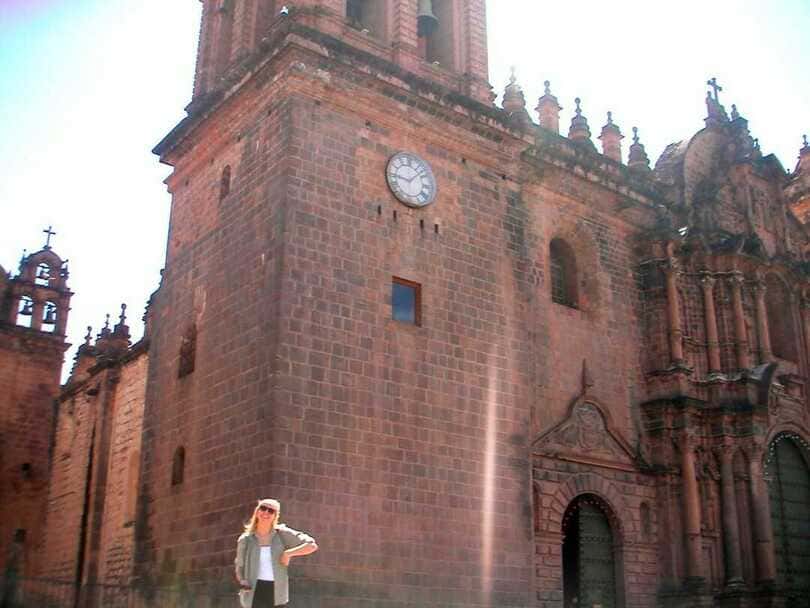
Cusco makes for a great home base for your Peru trip. I spent a few days wandering around and acclimatizing to the altitude. I would definitely recommend doing the same before tackling Rainbow Mountain or the Inca Trail.
Start in Plaza de Armas, the central square, then head over to the Mercado Central de San Pedro to try local fruits, herbs, and candy. Cusco is full of history. Visit the Inka museum or walk up to the impressive ruins of Saqsaywaman overlooking the city.

Cusco also has amazing restaurants and nightlife. Listen to local music, try ceviche, and order a pisco sour. The best restaurant is Jack’s Cafe, and you have to get the quesadilla. (I’m embarrassed to admit how many times we ate there.)
Traveler Tip: You’ll be accosted to get your photo with a baby llama or lamb. Please say no thank you to the offer. I know they are very cute, but it is an unethical animal practice. Wait until Rainbow Mountain, and you’ll have plenty of opportunities to take a photo with well-cared-for llamas.
✔ Included on the U30X Peru itinerary
5. Hike Rainbow Mountain (Vinicunca) and the Red Valley

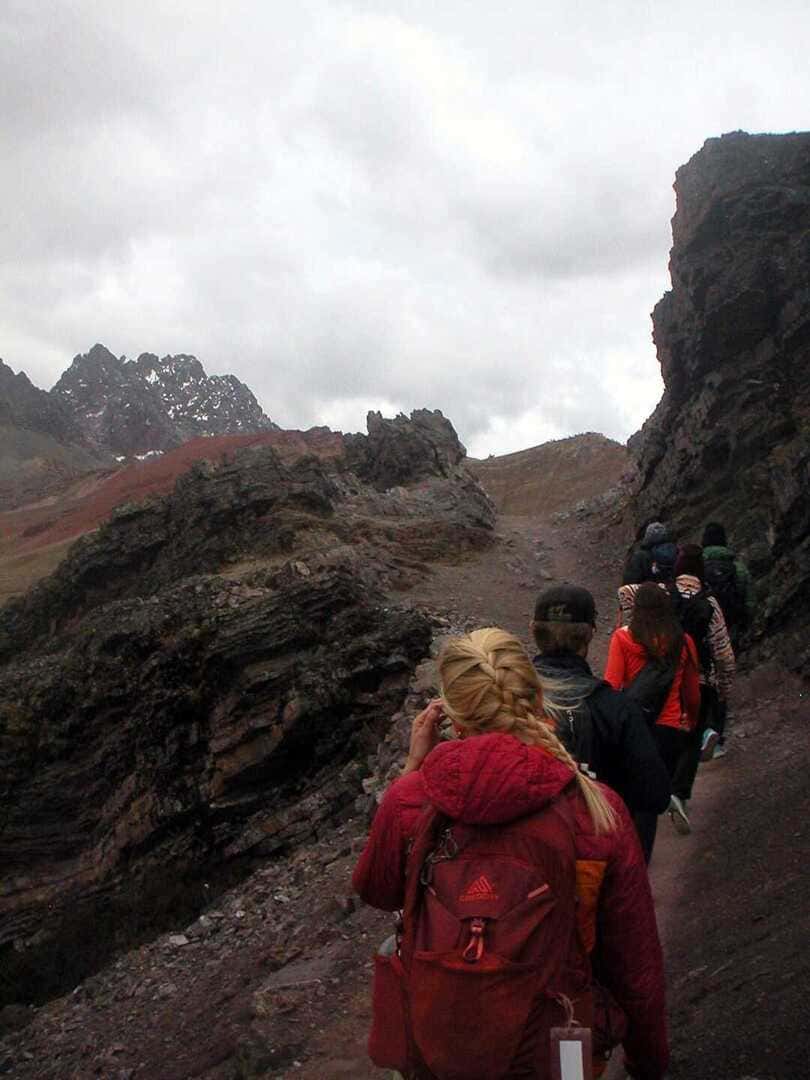
Another famous hike in Peru is the climb up to Rainbow Mountain. Sitting at 5,200 meters (17,000 ft), the altitude makes this a challenging walk, but so worth it. As an experienced hiker, I was caught off guard by how much I felt the elevation. For tips on surviving the altitude, read that section of my Peru packing guide.
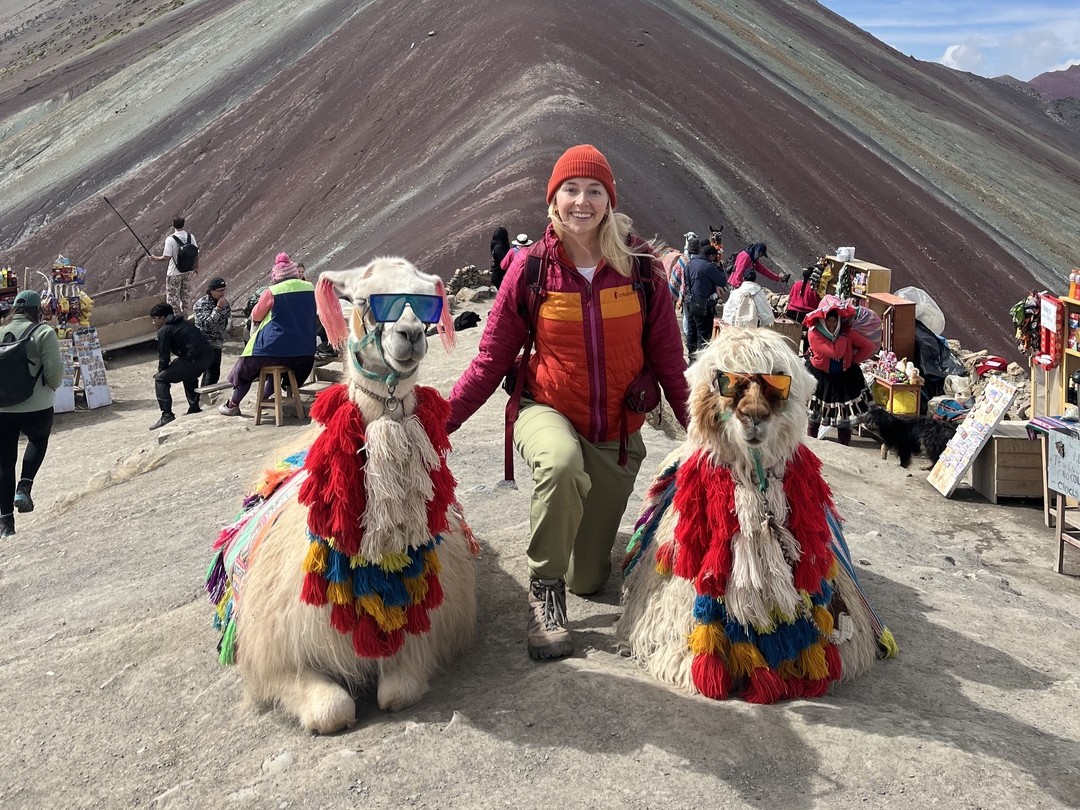
Rainbow Mountain gets its colorful stripes from different minerals being layered over millions of years, creating the unique natural phenomenon. When you reach the summit, you’ll be greeted by llamas decked out in colorful tassels and sunglasses. You can take a photo with them to capture your achievement, just make sure to give a few Sols to their handlers.

After Rainbow Mountain, cross over to the adjacent Red Valley (about 30 more minutes of hiking). Here, the mountains open up to a valley of rolling red rocks and vibrant green hills. It’s less crowded than the summit of Rainbow Mountain, so you can relax and take in the views.
Traveler Tip: Start your day early to beat the crowds. I left Cusco at 3 AM and got the trail almost to myself. You can always take a nap on the bus ride back to Cusco.
✔ Included on the U30X Peru itinerary
6. Learn About The Ancient Art Forms of Pottery & Weaving

In the villages surrounding Cusco, you can meet local artisans excited to share their skills. I got to try my hand at making and painting pottery. I learned about the famous toritos de Pucará, a pair of hand-painted ceramic bull figurines found in and on top of houses around Peru. One bull attracts good energy, and the other removes negative energy, acting as protection for the home. The bulls are the yin-yang symbol of Peru.

I also got a demonstration on different wool dying techniques. Weaving alpaca and llama wool in Peru dates back more than 5,000 years. The bright colors found on scarves, blankets, and sweaters come from natural dyes. A single textile can take months to complete. It’s fascinating to learn about the Peruvian traditions that have been incorporated into everyday life.
✔ Included on the U30X Peru itinerary
7. Indulge in Peruvian Cuisine

Peruvian cuisine is considered among the best in the world, and it’s easy to see why. The climate makes it possible to grow a wide variety of fruits and vegetables. Peru has over 4000+ varieties of potatoes!
Peruvian food is a fusion of ingredients from the Amazon, Andes, and Pacific coast with influences from Spanish, Chinese, and Japanese immigrants.
Peruvian food you need to try:
- Ceviche - Raw, fresh fish in a citrus sauce
- Papas a la Huancaina - Boiled potatoes in a spicy, creamy cheese sauce
- Lomo Saltado - Stir-fried beef and vegetables
- Rocoto Relleno - Red peppers stuffed with meat, egg, and vegetables
- Alpaca Meat - A traditional protein source that is a staple of the local diet

One unique food experience is trying guinea pig (cuy). As a vegetarian who had pet guinea pigs growing up, it was only slightly traumatic to see the hordes of happy little guinea pigs running around, squeaking, and then being served one for dinner. If you’re also a vegetarian, don’t be deterred. Beyond flambéed guinea pig, Peru has tons of veggie-friendly dishes. Quinoa soup, corn fritters, and roasted potatoes were some of my favorites.
✔ Included on the U30X Peru itinerary
8. Sandboard on the Huacachina Dunes

Huacachina was one of my favorite day trips from Lima. This desert oasis is hot and sunny year-round and full of adrenaline-pumping activities. Take a dune buggy ride for a roller-coaster-like experience. I sat in the front, and my stomach dropped every time we sped over the steep drops. It was awesome!
Once you get deep in the desert, you’ll have the option to sandboard down the towering dunes. It’s fast, exhilarating, and so much fun. End the day by watching the sunset stretch across the desert.
Traveler Tip: Be sure to purchase a bandana or buff to protect your mouth and nose from the sand. You’ll be swarmed by street vendors as you disembark your bus in Huacachina, so you’ll have plenty of options. Don’t forget sunglasses to protect your eyes from the sand as well.
➕ Add on before/after your group trip
9. Take a Wildlife Tour of Paracas

South of Lima is the seaside town of Paracas. Explore the protected marine ecosystem in the Paracas National Reserve. Take a boat ride to the Islas Ballestas, a group of rocky islands off the coast of Paracas, sometimes referred to as a “mini-Galapagos” due to its wildlife-rich waters. On the way, you’ll pass the mysterious Candelabra geoglyph etched into the hillside. No one knows exactly why it was created, but it’s cool to see.
The animals I spotted on my tour of Ballestas Islands:
- Sea lions
- Penguins
- Dolphins
- Seabirds
- Crabs
➕ Add on before/after your group trip
10. Wander The Barranco and Miraflores Neighborhoods in Lima

Lima is Peru’s capital and largest city. Stretching along the Pacific coast, Lima is made up of distinct neighborhoods, each with their own appeal. Lima is technically a desert, so the city has a dry, airy climate that makes it enjoyable to explore year-round.

Spend time in both the Barranco and Miraflores neighborhoods. Walk to the Parque del Amor (Love Park) to see the colorful mosaics and the El Beso (The Kiss) statue. Sign up for a walking tour of historic downtown Lima. And indulge in the best of Peruvian cuisine. There are several highly regarded food tours around Lima that people love. I also found a ton of great restaurants and bars on Jirón Domeyer Street. My favorites (with great vegetarian options) were Demo Cafe and Casa Lola.
➕ Add on before/after your group trip
Extending Your Time In Peru
I spent just over three weeks in Peru and could have stayed even longer! There’s just so much to see and do. If you’re looking for ways to extend your trip, consider adding:
- Arequipa - The second-largest city in Peru. Located in the south, Arequipa is known as the white city for its colonial buildings constructed from white sillar volcanic stone.
- Humantay Lake - A brilliantly blue glacial lake located deep in the Andes. Makes for a great day hike.
- Lake Titicaca - South America’s largest freshwater lake.
- Surfing in Lima - Walking along the coastal cliffs of Lima, you can look out and see hundreds of people surfing. There are multiple places to rent a wetsuit and board.
- Colca Canyon - One of the deepest canyons in the world and home to soaring Andean condors. Many travelers visit from Arequipa.
- The Amazon Rainforest (Puerto Maldonado or Iquitos) - Stay in a jungle lodge, spot monkeys and macaws, and explore by boat deep into the rainforest.
- Nazca Lines - Massive ancient geoglyphs carved into the desert, best viewed from a small aircraft.
- Salkantay Trek - A multi-day alternative to the Inca Trail that winds through snow-capped mountains, cloud forests, and remote villages before reaching Machu Picchu.
FAQs: Traveling To Peru

What is Peru best known for?
Peru is best known for being home to one of the seven wonders of the world: Machu Picchu. Travelers come from all over the globe for the chance to see this iconic site high in the Andes. This monumental piece of architecture may be the initial appeal of Peru, but once you arrive, you quickly discover that Peru has so much more to offer.
As the former heart of the Inca Empire, the country is filled with ancient ruins, rich traditions, and fascinating history. Beyond Machu Picchu, Peru is also known for the Sacred Valley, Rainbow Mountain, the Amazon jungle, and its cuisine.
Is Peru Safe For Solo Female Travelers?
Out of everywhere I traveled in Latin America, I felt the safest in Peru. I rode public transport, walked alone, and explored after dark, and didn’t have any issues. Like anywhere for solo female travelers, it’s important to stay aware of your surroundings, keep valuables secure, and avoid quiet or poorly lit areas at night.
Tourist areas like Cusco, Lima, Arequipa, Ollantaytambo, and Aguas Calientes are generally considered safe for solo female travelers. At night in Lima, it’s best to stick to the Miraflores and Barranco neighborhoods. Tourism is a large part of the Peruvian economy, and most locals are very friendly to tourists.
What should I bring to Peru?
Peru has three main climate zones: the dry desert coast, the temperate Andean highlands, and the tropical Amazon jungle, so packing layers is important. You’ll want lightweight, breathable clothing suitable for outdoor activities. Be sure to bring sun protection, a rain jacket, and comfortable walking shoes. For my complete Peru packing list, check out my guide for packing for your trip to Peru.
What are the best souvenirs to get in Peru?
Peru has great souvenirs! I actually had a hard time zipping my suitcase at the end of my trip because I picked up so many gifts for people. I recommend the local pottery, the chocolate from the Salt Mines of Maras, the llama pens, and anything made from alpaca wool. The colorful baseball hats with embroidered llamas (pictured above) have also become very popular. You can buy a hat almost anywhere in Cusco or at the Inka Market in Lima. It’s good to support local artisans when you travel.
Are Peruvians friendly?
Peruvians are really friendly people. They are kind, helpful, and funny. Even with my basically non-existent Spanish, the locals were extremely patient and helped me figure out where I needed to go or what I needed to do. My advice for Peru (or anywhere you travel) is to be polite, respectful, and remember that you’re a guest in someone else’s home country. That kindness is almost always reciprocated.
Ready To Explore Peru?

Peru exceeded all my expectations. It’s a country filled with breathtaking landscapes, rich history, vibrant culture, and adventure. I thoroughly enjoyed every day I spent there. From hiking to Machu Picchu to sandboarding in the desert, I had a great time. Writing this recap is making me want to go back.
If you’re looking for recommendations on where to travel next, I highly encourage you to go to Peru. And one of the best ways to experience all of it, without the stress of planning anything, is through a small group adventure.
Under30Experiences makes it easy to see the highlights of Peru while meeting an amazing community of travelers along the way.
Book your Peru trip with U30X and get excited for the adventure! And if hiking into Machu Picchu is on your bucket list, they also offer an Inca Trail itinerary for travelers who want the full trekking experience