.avif)





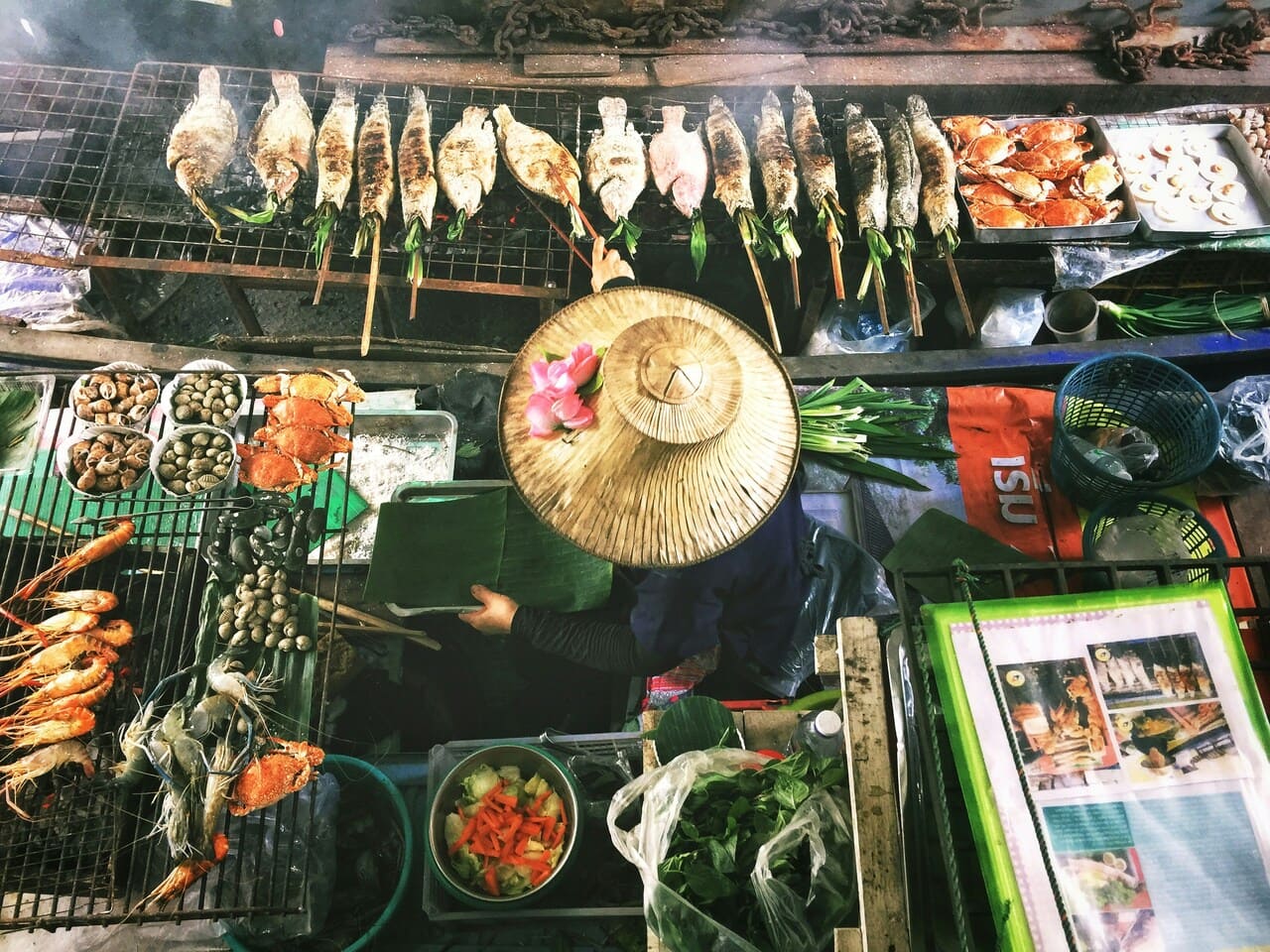
When I first started wandering the world, one of my biggest anxieties (besides figuring out how to fit all my souvenirs into my carry- on) was: What will I actually be able to eat? For a long time, I viewed my vegetarianism as a logistical hurdle, apprehensive of being a “difficult” traveler or missing out on the soul of a culture. I thought that being vegetarian or vegan would make the world smaller. But after years of navigating across many continents and cultures, I’m here to tell you the opposite is true.
If you’ve ever been worried that your dietary choices will mean missing out on “authentic” travel or living on granola bars while everyone else feasts on local delicacies, keep reading as I share some tips and tricks to navigate your adventures like a pro!
The mental switch
Before we talk about lentils and tofu, I want to highlight the mental shift that really helped me navigate the world without ever feeling like I’m missing out.
- Abundance, not lack: Focusing on what a country specializes in - maybe it’s spices, or sun- ripened produce, or ancient grains. When you focus on what is there rather than what is missing, the world opens up.
- Be patient with the what and why: In different cultures, the concept of vegetarian/vegan might be confusing (e.g., some coastal places might include fish as vegetarian). Don't take it personally and treat it as a chance for a friendly cultural exchange.
- Don't be afraid to branch off: This was a big one for me when traveling with a group, and you don't want to be the “picky” one. If there’s a specific vegan cafe you want to try, take a solo lunch date! It’s a great way to recharge your social battery and get what you need.
Some tips & tricks
To enjoy my travels without worrying about meals constantly, these are some things I do in preparation:
- Researching the traditional/local dishes that are already/easy to order plant- based. You’d be surprised how many meals don't need much modification.
- Having apps like HappyCow ready to go. It’s the gold standard for finding veg- friendly spots.
- Saving a note on my phone in the local language. Don’t just say "I’m vegan"; list specifics: "I do not eat meat, poultry, fish, milk, or eggs.”
- The pre-fuel strategy: If my group is dead set on a place that's not veg- friendly, I eat a heavy snack beforehand. I go for the vibes, drinks, and the side dishes, and don't let the plate dictate my mood.
Country highlights
Looking back at my past travels, some of my favorite places were bursting with meat- free options:
Egypt, Jordan, & Morocco
- In Egypt, Koshary is the ultimate street food - a hearty mix of lentils, rice, pasta, and spicy tomato sauce that is pure vegan comfort. In Jordan and Egypt (and most Middle Eastern countries), look out for falafel (made from fava beans or chickpeas), and a plethora of mezze dips like Hummus, Muhammara, or Bissara paired with hot pita bread for a wholesome meal.
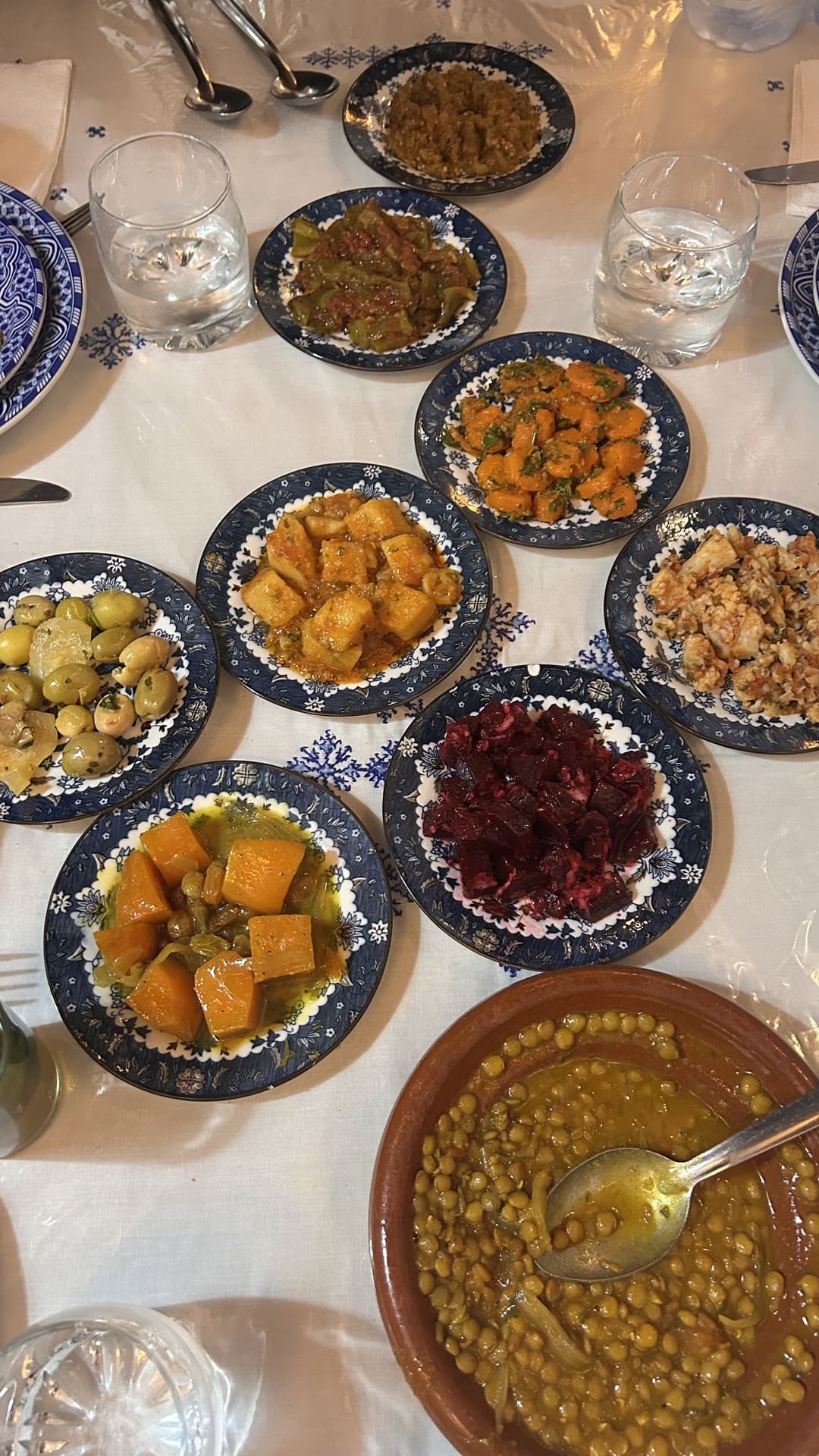
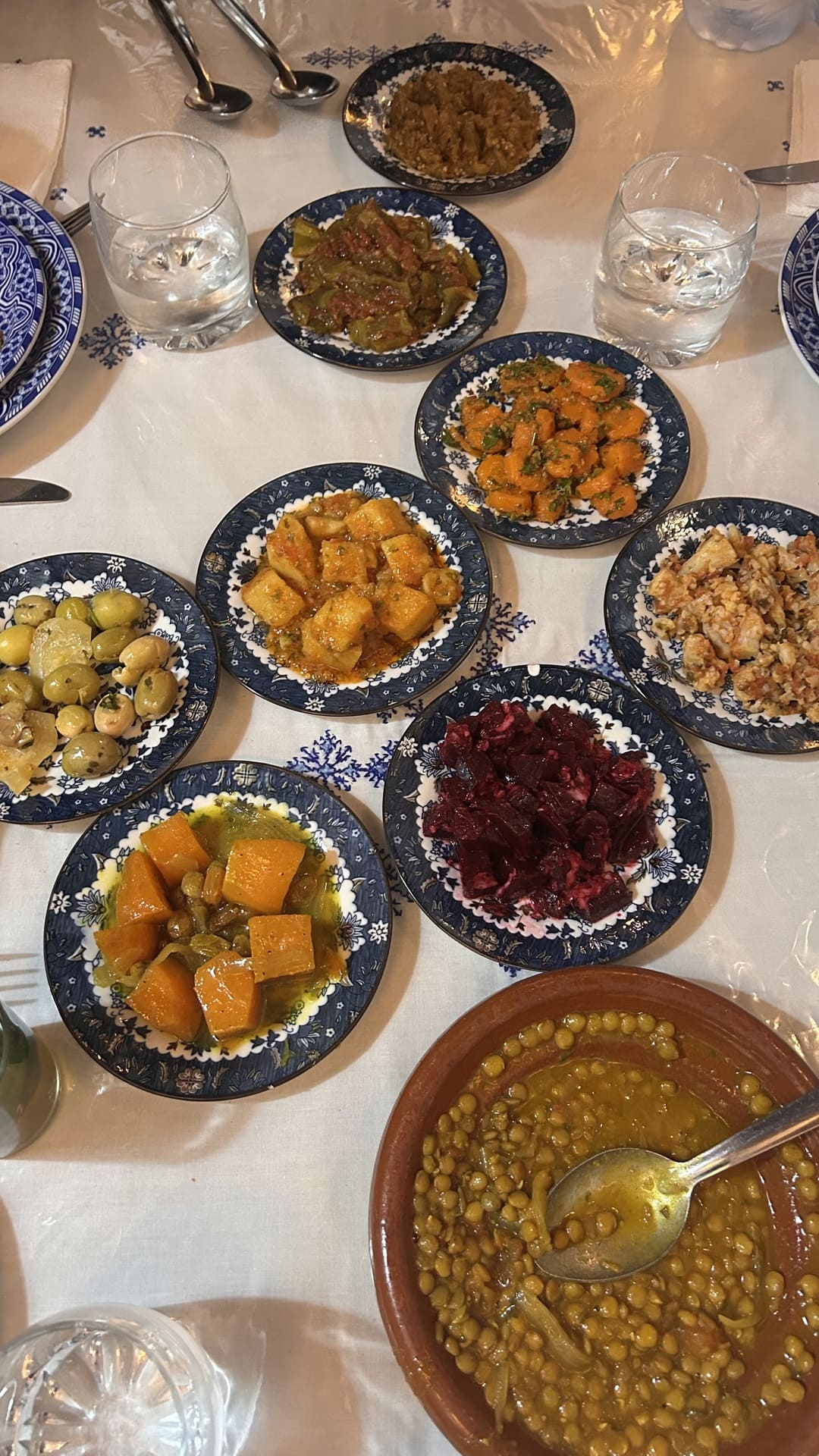
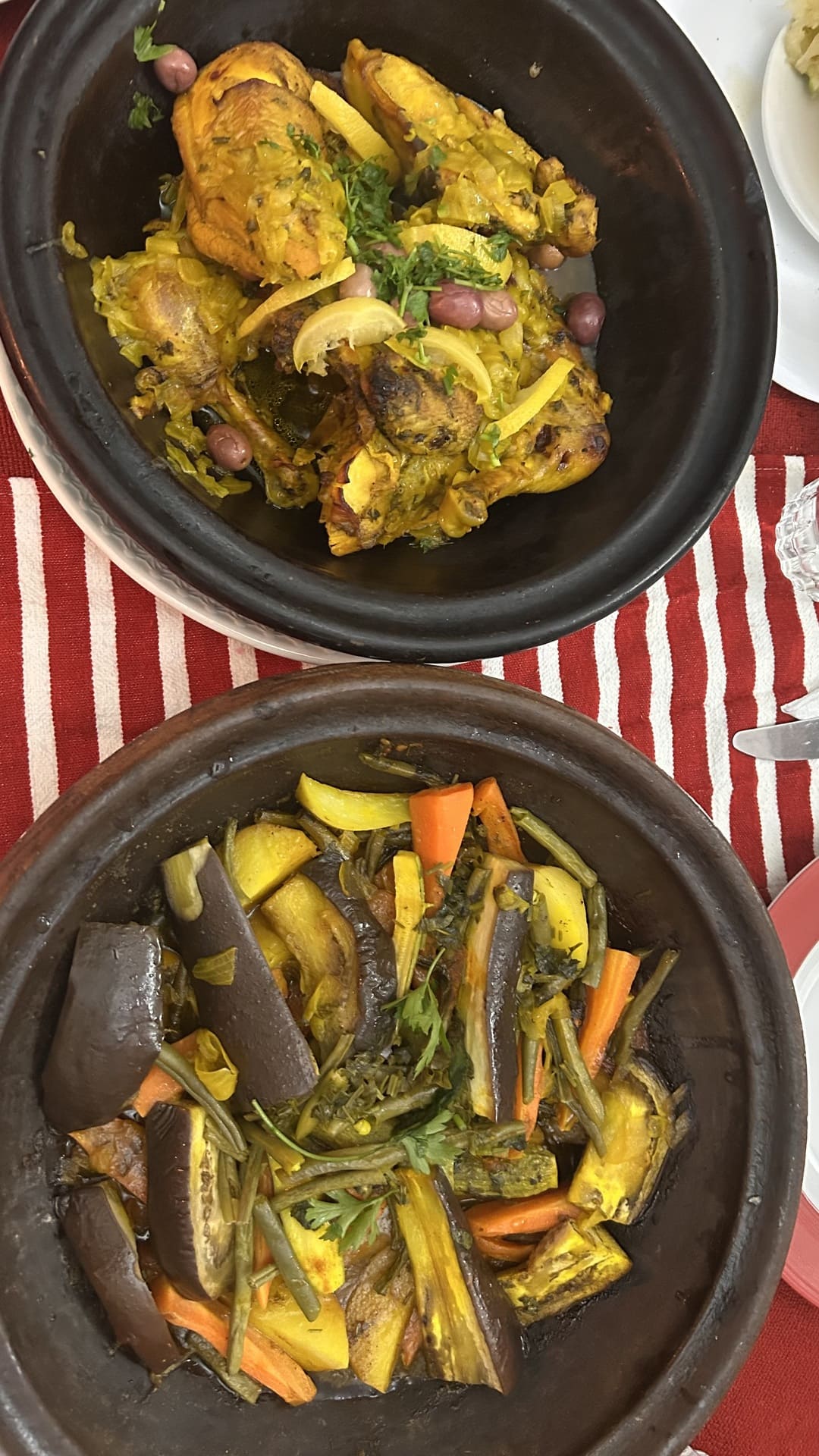
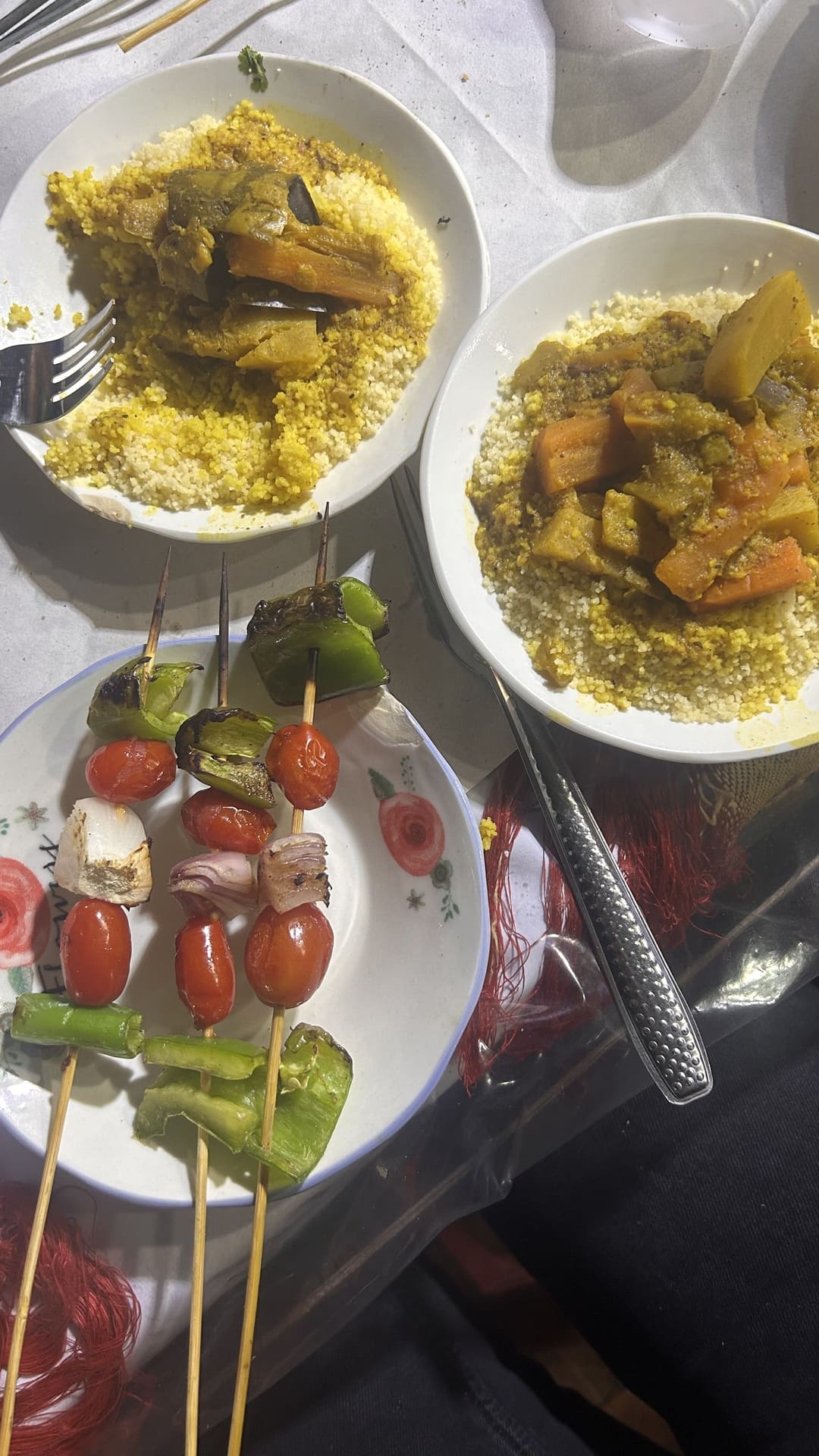
- Moroccan cuisine is vegetable- forward by nature. Some of the staples I enjoyed are vegetable Tagine (stew), Harira (delicious tomato and lentil soup) that many places will serve meat- free, and Zaalouk (smoky eggplant and tomato salad and dip). Pro tip: For vegans, request that dishes not be cooked in Smen (fermented butter)
Convenience store hack: Most local "supermarkets" (even the tiny ones) sell canned fava beans (Foul) and jars of tahini. Pair those with a bag of fresh pita from the bakery next door, and you have a high-protein feast for under $2!
South Korea
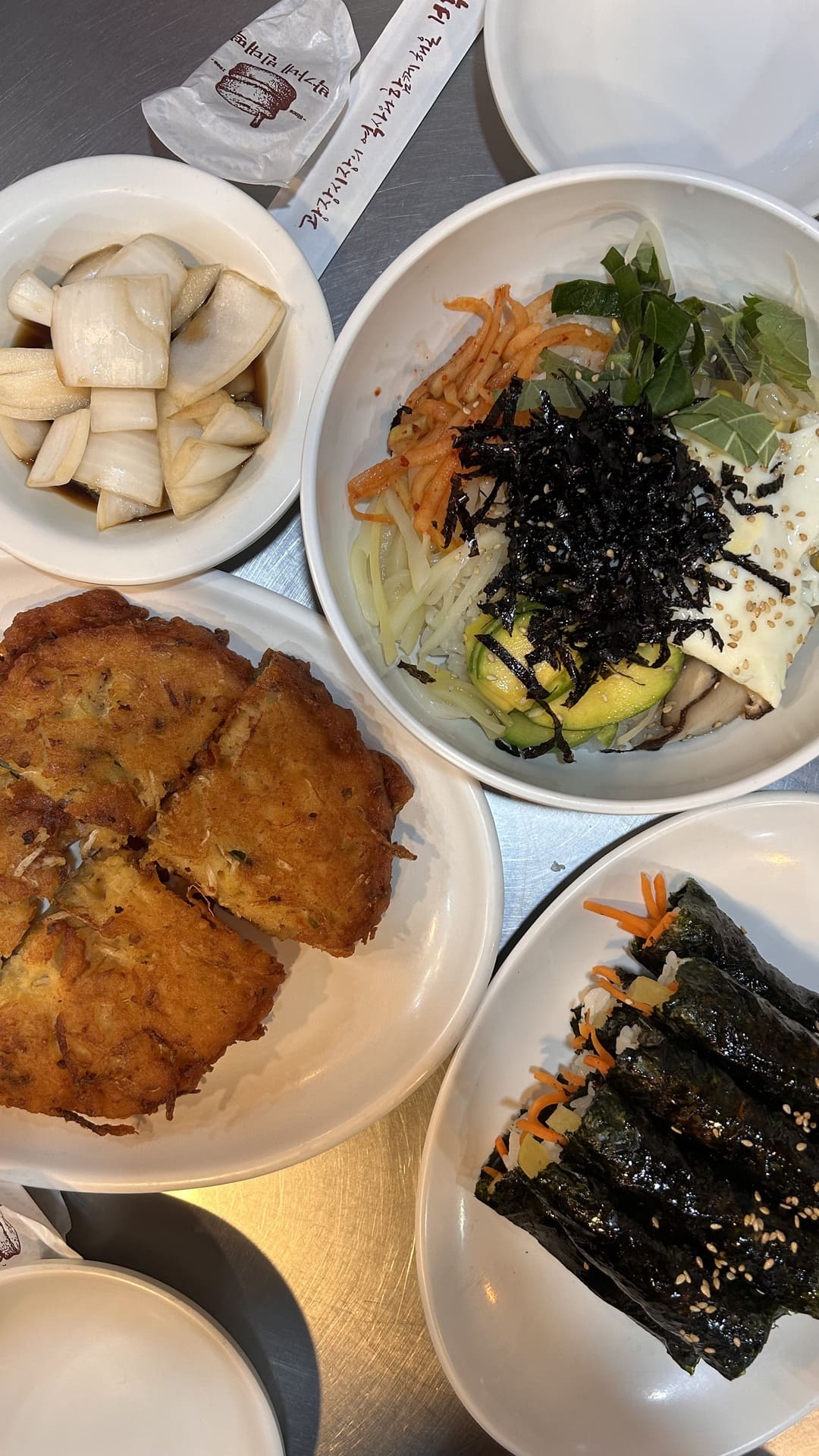
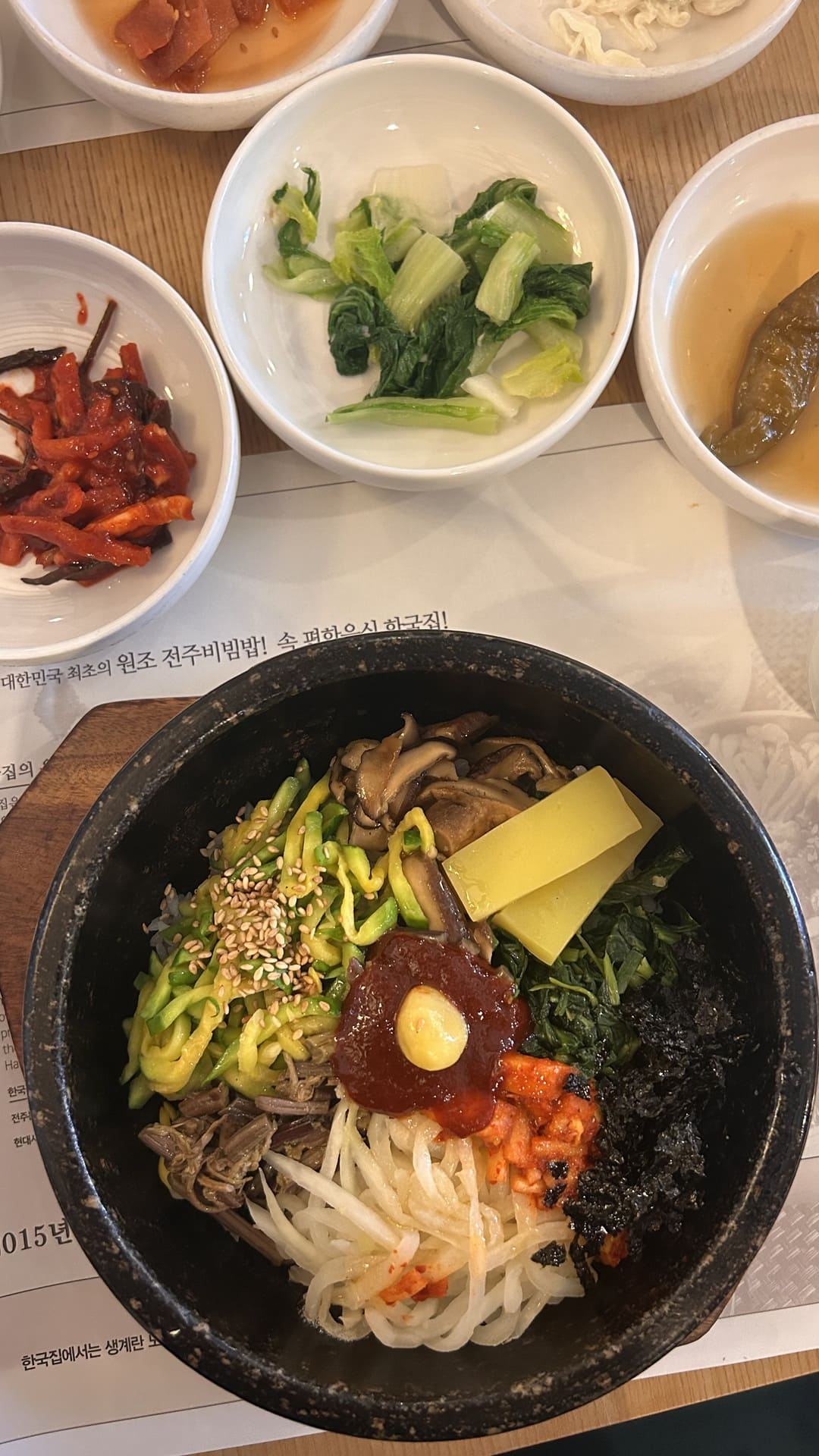
South Korea’s food scene might seem intimidating, but it has a secret weapon: Buddhist temple food (check out restaurant Balwoo Gongyang in Seoul) that’s all natural in the truest sense. In standard restaurants, look for Bibimbap (rice and veggies), Kimbap (tofu and rice wrapped roll), or Japchae (glass noodles with veggies), all of which are easy to order without meat or egg. Pro tip: Be mindful of fish sauce or dried shrimp in kimchi.
Convenience store hack: Look for the roasted sweet potatoes (usually in a warm bin near the counter) or packs of roasted chestnuts. Also, Samgak-kimbap (triangle rice balls) often has a "grilled kelp" or "kimchi" version, just use Google Lens to check for tuna/spam hidden in the ingredients!
Japan
Japan can be tricky due to Dashi (fish stock) being in everything, but similar to South Korea, the secret is Shojin Ryori, or traditional Buddhist monk cuisine. You can find staples like Koya-dofu (tofu), vegetable Tempura, Yuba (tofu skin sashimi), and Zaru Soba (buckwheat noodles).
Convenience store hack: my best friends were Inari Sushi (fried tofu pockets with rice) and Salted Edamame. Also, look for Umeboshi (pickled plum) onigiri, an acquired taste, but it’s a vegan staple.
India
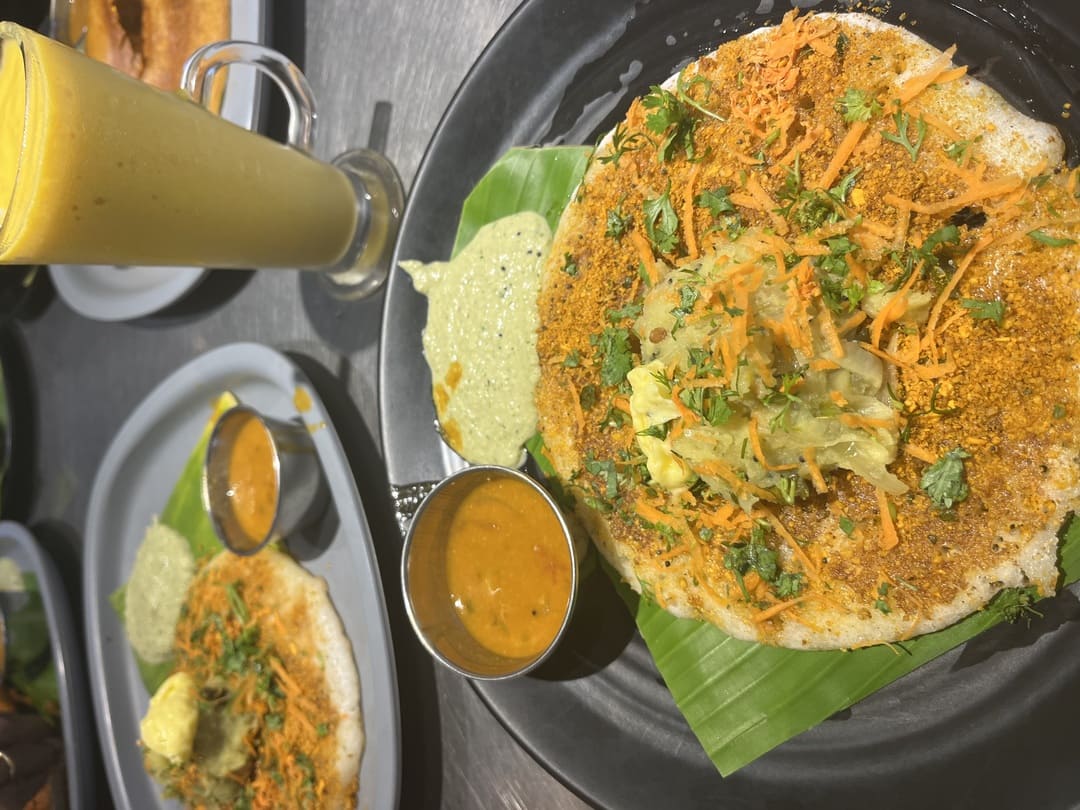
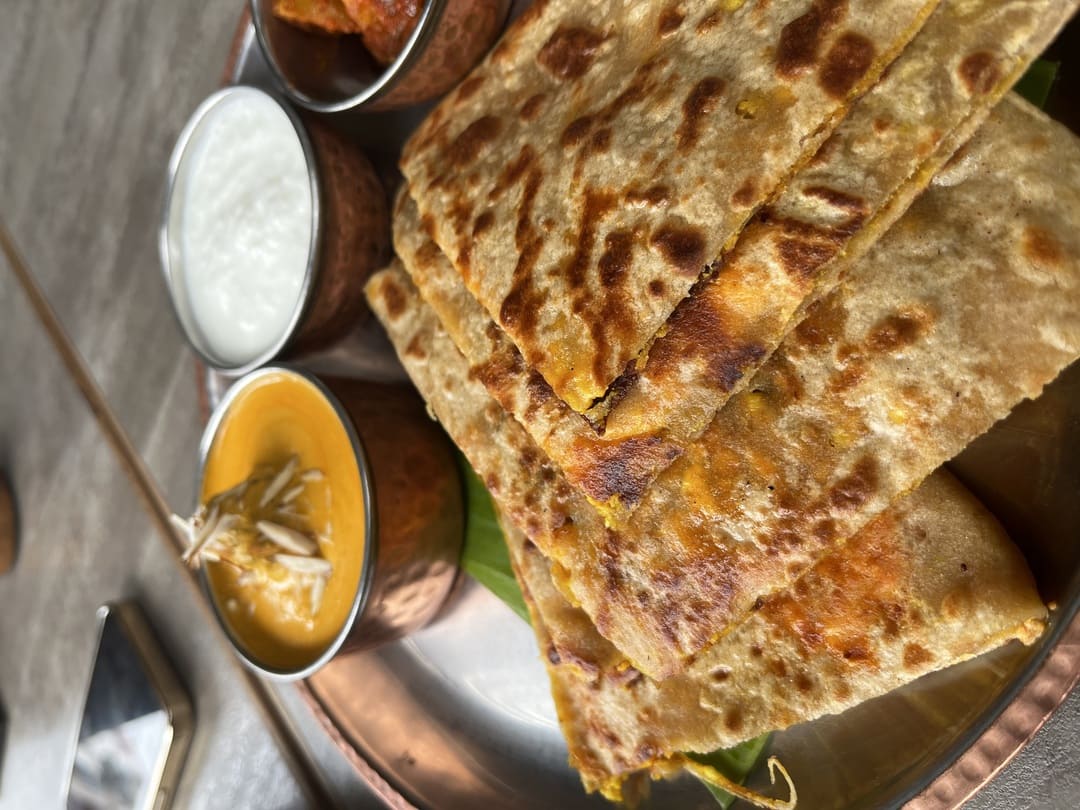
A vegetarian haven and actually incredibly easy to navigate even with language barriers, India is one place where the "Green Dot" (vegetarian) and "Red Dot" (non-vegetarian) system is on almost every restaurant sign and packaged product. Try Chana Masala (chickpea curry), Kadai Paneer (cottage cheese cubes sauteed with veggies), crispy Masala Dosa (savory crepe) or Idly (steamed rice cakes), and street snacks like Chaat or Aloo tikki without any stress.
Pro tip: Food in India is usually freshly made to order, so if you’re vegan, don't be shy to ask for your meal without dahi (yogurt), butter, or ghee (clarified butter).
Convenience store hack: Look for Haldiram’s Moong Dal (salty fried lentils) or Roasted Makhana (fox nuts), or grab a Peanut Chikki, it’s just peanuts and jaggery (unrefined sugar), making it the original Indian vegan protein bar.


Final thoughts:
Traveling as a vegetarian/vegan isn't about what you can't do. It’s about the extra mile you walk to find that hidden spot, the conversations you have to get your meal made just right, and the realization that kindness and good food are a universal language. The world is waiting, and I promise you won't go hungry.
Ready to explore the world without compromising your lifestyle? Discover unforgettable, food-friendly adventures with Under30Experiences and find your next trip today